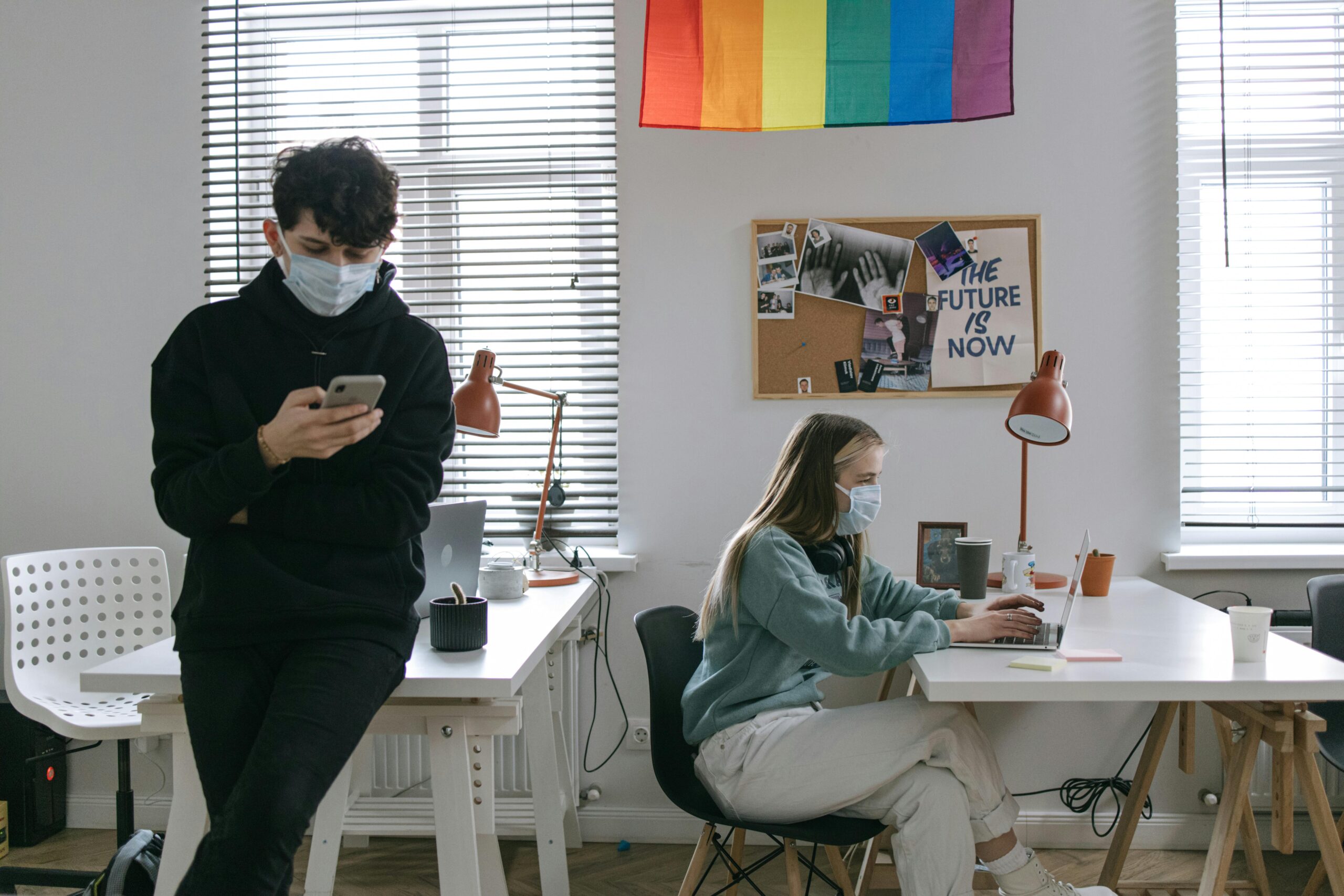
As we age, our bodies change—and so should the spaces where we work and the roles we perform daily. Creating environments that support aging workers isn’t just compassionate; it’s essential for sustained productivity and wellbeing.

🌟 Understanding the Aging Workforce Revolution
The global workforce is experiencing a profound demographic shift. By 2030, workers aged 55 and older will comprise nearly one-quarter of the labor force in developed nations. This transformation demands a fundamental rethinking of how we design workspaces, structure roles, and support employees throughout their careers.
Aging bodies bring wisdom, experience, and institutional knowledge that younger workers simply haven’t had time to accumulate. Yet traditional workplace designs often ignore the physical realities that come with aging—reduced flexibility, changes in vision and hearing, longer recovery times from physical strain, and different energy patterns throughout the day.
The challenge isn’t whether older workers can remain productive; decades of research confirm they absolutely can. The question is whether organizations will adapt their environments and expectations to harness this potential effectively.
Physical Workspace Adaptations That Make a Difference
Reimagining physical workspaces for aging bodies starts with ergonomics but extends far beyond basic chair adjustments. Thoughtful design acknowledges that bodies change while respecting the dignity and capabilities of experienced workers.
Lighting and Visual Comfort 💡
As we age, our eyes require more light to see clearly, yet we also become more sensitive to glare. Workspaces should incorporate adjustable task lighting that workers can control individually. Natural light remains ideal, but when supplementing with artificial sources, choose fixtures that minimize harsh shadows and reflections on computer screens.
Consider implementing:
- Individual desk lamps with dimming capabilities and color temperature adjustment
- Anti-glare screens and matte finishes on work surfaces
- Larger fonts as default settings on company computers and documents
- High-contrast color schemes for digital interfaces and signage
- Window treatments that diffuse bright sunlight without blocking natural illumination
Ergonomic Furniture and Flexibility
Standing desks, adjustable chairs, and footrests aren’t luxuries for aging workers—they’re necessities that prevent chronic pain and support sustained focus. Bodies that have worked for decades deserve furniture that accommodates rather than aggravates.
Sit-stand desks allow workers to change positions throughout the day, reducing pressure on joints and improving circulation. Chairs with proper lumbar support, adjustable armrests, and seat depth options prevent the back pain that plagues many older workers. Footrests help those with shorter statures maintain proper posture without straining.
Beyond individual workstations, consider the broader physical environment. Are filing cabinets and frequently accessed materials stored at comfortable heights? Do doorways accommodate mobility aids? Are restrooms nearby and easily accessible?
Acoustic Design and Noise Management 🔇
Age-related hearing changes make it harder to filter background noise, turning open-plan offices into exhausting environments. Acoustic panels, sound-absorbing materials, and designated quiet zones help aging workers maintain concentration without constant auditory strain.
White noise machines can mask distracting sounds, while private phone booths provide spaces for calls without overhearing colleagues. For roles requiring frequent communication, consider investing in high-quality headsets with noise cancellation features.
Rethinking Work Schedules and Energy Management
Bodies operate on rhythms that shift with age. Energy peaks may occur earlier in the day, while recovery from intense work periods takes longer. Smart organizations recognize these patterns and build flexibility into scheduling.
Flexible Hours and Compressed Workweeks
Rigid 9-to-5 schedules ignore biological realities. Offering flexible start times allows workers to align their schedules with their natural energy patterns. Some older workers thrive starting early and finishing mid-afternoon, while others perform best with slightly later hours.
Compressed workweeks—working full-time hours in four days instead of five—provide extended recovery periods. This arrangement often increases productivity during working hours while reducing the cumulative physical strain of commuting and maintaining work readiness.
Micro-Breaks and Movement Integration ⏱️
Long periods of static posture harm aging bodies more severely than younger ones. Encouraging regular micro-breaks—just two to three minutes every hour—allows workers to stand, stretch, and reset without significantly impacting productivity.
Smart organizations integrate movement into the workday naturally. Walking meetings, standing check-ins, and strategically placed printers and water stations encourage regular position changes without feeling like imposed exercise regimens.
Redesigning Roles to Leverage Experience While Reducing Physical Demands
Not every role needs identical physical capabilities. Thoughtful job redesign matches tasks to capabilities while preserving the valuable contributions aging workers offer.
Mentorship and Knowledge Transfer Positions
Experienced workers possess institutional knowledge that disappears when they leave. Creating formal mentorship roles allows them to share expertise with newer employees while reducing physically demanding aspects of their previous positions.
These roles benefit everyone: organizations retain critical knowledge, younger workers receive personalized guidance, and experienced employees transition into positions that value their wisdom while accommodating physical limitations.
Phased Retirement Programs
Abrupt retirement wastes talent and leaves organizations scrambling. Phased retirement—gradually reducing hours while maintaining engagement—smooths transitions for workers and employers alike.
These programs might involve moving from full-time to part-time work, shifting from operational roles to advisory positions, or alternating between active work periods and extended breaks. The specific structure matters less than the principle: honoring contributions while respecting changing capabilities.
Task Redistribution and Team Collaboration 🤝
Within existing roles, task redistribution can reduce physical strain without diminishing contribution. If lifting has become difficult, reassign those tasks while expanding responsibilities that leverage problem-solving or communication skills.
Team-based work structures naturally accommodate varying capabilities. Diverse teams include members with different strengths, and well-designed collaboration allows everyone to contribute according to their abilities while compensating for individual limitations.
Technology as Enabler and Challenge
Technology offers powerful tools for supporting aging workers, yet it can also create barriers when poorly implemented. The key lies in thoughtful selection and comprehensive training.
Assistive Technologies That Support Productivity
Voice-to-text software reduces typing strain for those with arthritis or repetitive stress injuries. Screen magnification and text-to-speech applications support workers with vision changes. Reminder systems and task management tools compensate for memory changes that naturally accompany aging.
Ergonomic keyboards, vertical mice, and trackballs reduce wrist strain. Large-button phones and simplified interfaces make communication technology more accessible. Video conferencing reduces the physical demands of travel while maintaining face-to-face connection.
Bridging the Digital Divide
While many older workers adapt readily to new technologies, others struggle with rapid digital transformation. Organizations that support aging employees provide thorough, patient training without condescension.
Effective technology training for older workers moves slower, includes more hands-on practice, and provides written reference materials. Peer mentoring—pairing tech-savvy workers with those needing support—often works better than formal classes.
Health and Wellness Integration in the Workplace 🏥
Supporting aging bodies means acknowledging health needs without stigmatization. Progressive organizations integrate wellness support into daily operations.
On-Site Health Resources
On-site health screenings, flu shot clinics, and wellness checks make preventive care convenient. When workers can address health needs during work hours without extensive time off, they’re more likely to maintain their wellbeing proactively.
Some organizations provide on-site physical therapy, massage services, or fitness facilities. While not feasible for every company, even small wellness initiatives—healthy snacks, standing desks, walking challenges—demonstrate commitment to employee health.
Comprehensive Health Benefits
Healthcare needs increase with age. Insurance plans that cover preventive care, vision and hearing aids, physical therapy, and chronic disease management reduce financial stress while supporting employees in maintaining their health and productivity.
Flexible time-off policies that don’t penalize workers for medical appointments acknowledge reality: staying healthy requires regular care, especially as we age.
Creating Culture That Values Experience and Adaptation
Physical accommodations and policy changes fail without cultural shifts that genuinely value aging workers. Ageism—often subtle and unintentional—undermines even the best-designed programs.
Combating Age Bias in Daily Interactions 🚫
Age-related comments and assumptions create hostile environments even when workspaces are physically accommodating. Training that addresses implicit bias helps workers recognize and challenge ageist assumptions.
Language matters. Terms like “overqualified” often mask age discrimination. Jokes about technology struggles or “senior moments” create environments where older workers feel devalued. Building culture requires vigilance about these patterns and willingness to address them directly.
Celebrating Multigenerational Teams
The most innovative and productive teams span generations, combining fresh perspectives with seasoned judgment. Organizations that celebrate this diversity—through recognition programs, storytelling, and visible leadership commitment—create environments where aging workers thrive.
Reverse mentoring programs, where younger workers teach older colleagues about emerging technologies or cultural trends while receiving guidance on professional development, build mutual respect across age groups.
Measuring Success Beyond Traditional Metrics 📊
Evaluating productivity for aging workers requires metrics that capture value beyond speed or physical output. Experience brings efficiency, judgment that prevents costly errors, and relationship skills that facilitate collaboration.
Consider tracking:
- Quality of work output rather than just quantity
- Mentorship contributions and knowledge transfer
- Problem-solving effectiveness and innovative solutions
- Client satisfaction and relationship retention
- Team collaboration and conflict resolution
- Institutional knowledge preservation
These metrics recognize that productivity encompasses more than raw output, acknowledging the multifaceted contributions experienced workers provide.
Economic and Social Returns on Investment 💰
Accommodating aging workers isn’t charity—it’s smart business. Replacing experienced employees costs organizations between 50% and 200% of annual salary when accounting for recruitment, training, and lost productivity during transitions.
Beyond direct costs, organizations lose institutional knowledge, client relationships, and team cohesion when experienced workers leave. The social costs—workers forced into premature retirement, struggling financially and losing purpose—ripple through communities.
Conversely, organizations that successfully support aging workers gain loyalty, reduce turnover, maintain productivity, and build reputations as employers of choice. In tight labor markets, this competitive advantage becomes increasingly valuable.
Looking Forward: Building Workplaces for All Ages 🌈
Ultimately, workspaces and roles designed for aging bodies benefit everyone. Ergonomic furniture prevents injury at any age. Flexible schedules support workers managing various life demands. Accessible design accommodates people with diverse abilities.
The conversation shouldn’t be about special accommodations for older workers but about creating universally supportive environments. When we design for the full spectrum of human capability and experience, we build workplaces where people thrive throughout their careers.
Organizations embracing this approach position themselves as leaders in the inevitable demographic transition. They attract and retain talent across generations, building resilient teams that leverage diverse perspectives and capabilities.

Moving from Concept to Implementation
Understanding principles matters little without practical implementation. Organizations ready to support aging workers should begin with assessment: survey employees about challenges they face, audit physical workspaces for accessibility barriers, and review policies for hidden age bias.
Start with high-impact, low-cost changes: adjusting lighting, providing ergonomic accessories, allowing flexible schedules. Build from these foundations toward more comprehensive transformations in workspace design and role structures.
Most importantly, involve aging workers themselves in designing solutions. They understand their needs and capabilities better than any outside expert. Co-creating accommodations ensures relevance while building buy-in and respecting dignity.
The future of work must account for aging populations. Organizations that lead this transition will discover that supporting experienced workers through thoughtful workspace design and role adaptation isn’t just ethically right—it’s strategically essential for sustained success in evolving labor markets. Bodies may age, but with proper support, productivity, engagement, and contribution can continue strong for decades.