
The world of work is transforming rapidly, demanding innovative approaches that balance economic growth, environmental sustainability, and social equity for future generations.

🌱 The Urgent Need for Sustainable Labor Transformation
Climate change, resource depletion, and growing social inequality have created an unprecedented imperative for businesses to reimagine their workforce models. Traditional employment structures, built during the industrial revolution, no longer serve the complex challenges of our interconnected world. Today’s organizations face mounting pressure from stakeholders, employees, and regulatory bodies to demonstrate genuine commitment to sustainability while maintaining competitive advantage.
The concept of sustainable labor extends far beyond environmental considerations. It encompasses fair wages, safe working conditions, opportunities for professional development, work-life balance, and meaningful participation in decision-making processes. These elements combine to create resilient organizations capable of attracting top talent while contributing positively to society and the planet.
Research consistently shows that companies embracing sustainable workforce practices experience lower turnover rates, higher productivity, and enhanced brand reputation. Employees increasingly seek employers whose values align with their own, particularly regarding environmental stewardship and social responsibility. This generational shift in expectations has accelerated the adoption of innovative labor models worldwide.
💼 Redefining Work Through Green Job Creation
The transition to a low-carbon economy presents extraordinary opportunities for job creation across multiple sectors. Renewable energy, sustainable agriculture, green construction, and circular economy initiatives are generating millions of employment opportunities globally. These positions not only provide livelihoods but actively contribute to environmental restoration and climate change mitigation.
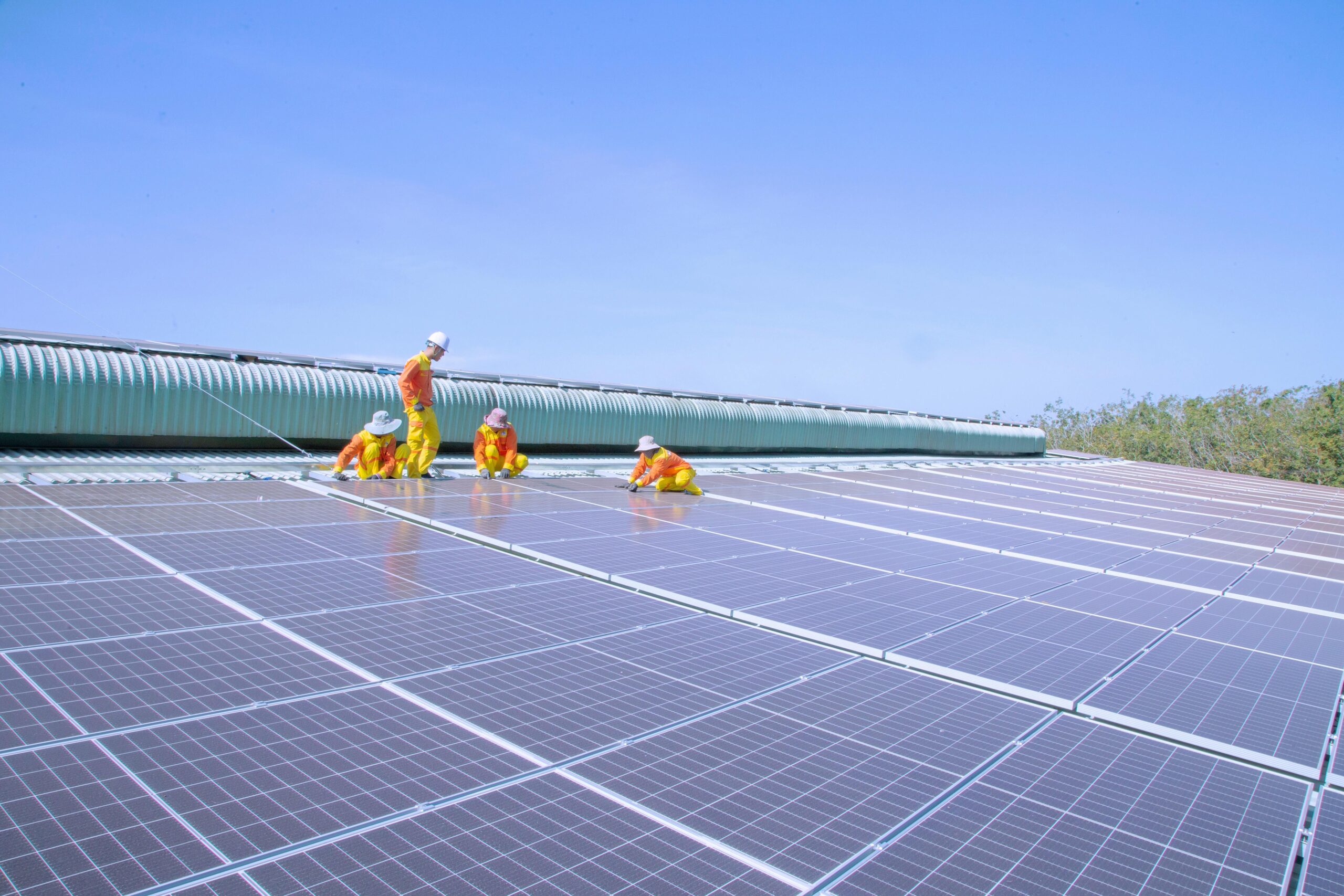
Green jobs encompass roles in solar panel installation, wind turbine maintenance, environmental consulting, sustainable product design, and ecosystem restoration. Beyond traditional environmental sectors, virtually every industry now requires professionals skilled in sustainability practices, from supply chain managers optimizing logistics to marketing specialists communicating corporate environmental initiatives.
Governments and educational institutions play crucial roles in preparing workforces for this green transition. Vocational training programs, apprenticeships, and university curricula increasingly incorporate sustainability competencies. Forward-thinking organizations partner with educational providers to develop customized training pipelines ensuring adequate talent supply for emerging green industries.
Skills for Tomorrow’s Sustainable Economy
The sustainable workforce requires both technical expertise and soft skills. Data analysis, systems thinking, lifecycle assessment, and renewable energy technologies represent essential technical capabilities. Equally important are collaboration, adaptive thinking, cross-cultural communication, and ethical reasoning skills that enable workers to navigate complex sustainability challenges.
Organizations investing in reskilling and upskilling programs position themselves advantageously for future disruptions. These initiatives demonstrate commitment to employee development while building organizational capacity for innovation. Digital learning platforms, mentorship programs, and cross-functional project teams facilitate continuous learning cultures where sustainability knowledge permeates all organizational levels.
🤝 Cooperative and Worker-Owned Models
Worker cooperatives represent a powerful alternative to traditional hierarchical business structures. These enterprises, owned and democratically controlled by employees, naturally align worker interests with organizational sustainability goals. Cooperative models distribute profits equitably, encourage long-term thinking, and foster stronger connections between workers and their communities.
Studies demonstrate that worker-owned businesses exhibit greater resilience during economic downturns, maintain higher employee satisfaction rates, and often achieve superior environmental performance compared to conventional companies. The cooperative structure incentivizes sustainable resource management because workers directly experience both the benefits of conservation and the costs of exploitation.
Successful cooperatives operate across diverse industries, from renewable energy installations to organic food production, sustainable manufacturing to technology services. The Mondragon Corporation in Spain, employing over 80,000 worker-owners, demonstrates that cooperative models can achieve significant scale while maintaining democratic governance and sustainability commitments.
Platform Cooperativism: Digital Age Democracy
Platform cooperativism extends cooperative principles into the digital economy, offering alternatives to extractive gig economy platforms. Worker-owned platforms ensure that those creating value through their labor retain control over working conditions, pricing, and data. These democratic digital spaces challenge the concentration of power in traditional platform capitalism while promoting fairer income distribution.
Examples include driver-owned ride-sharing services, photographer-controlled stock image platforms, and freelancer-governed project marketplaces. These initiatives demonstrate that technology can empower rather than exploit workers when governance structures prioritize sustainability and equity over maximum profit extraction.
⏰ Flexible Work Arrangements and Time Sovereignty
The COVID-19 pandemic accelerated the adoption of flexible work arrangements, revealing that many jobs can be performed effectively outside traditional office environments. Remote work, hybrid models, compressed workweeks, and flexible scheduling offer significant sustainability benefits while improving employee wellbeing and work-life integration.
Reduced commuting translates directly into lower carbon emissions, decreased traffic congestion, and improved air quality. Organizations with robust remote work policies report reduced real estate footprints, lower energy consumption, and decreased resource usage. These environmental benefits complement social advantages including increased accessibility for workers with disabilities, caregiving responsibilities, or geographic constraints.
However, flexible work requires intentional design to avoid pitfalls like social isolation, blurred work-life boundaries, and inequitable access to opportunities. Successful implementations establish clear communication protocols, invest in collaboration technologies, create inclusive virtual cultures, and maintain equitable advancement opportunities regardless of work location.
The Four-Day Workweek Movement
Growing evidence supports reduced working hours as a pathway toward sustainability and enhanced quality of life. Four-day workweek pilots across multiple countries demonstrate maintained or improved productivity alongside significant wellbeing improvements. Employees report better mental health, more time for family and community engagement, and increased life satisfaction.
From a sustainability perspective, reduced working hours correlate with lower resource consumption, decreased commuting, and more balanced lifestyles less dependent on convenience-driven consumption. Workers with adequate leisure time make more sustainable choices regarding food, transportation, and recreation compared to time-stressed counterparts.
🌍 Just Transition Principles in Practice
As economies shift away from fossil fuels and other unsustainable industries, just transition frameworks ensure that workers and communities dependent on these sectors aren’t left behind. This ethical imperative recognizes that sustainability transformations must distribute costs and benefits equitably to maintain social cohesion and political viability.
Just transition initiatives include comprehensive retraining programs for coal miners transitioning to renewable energy sectors, economic diversification strategies for petroleum-dependent regions, and social safety nets supporting workers during career transitions. These programs acknowledge that environmental sustainability cannot be achieved without addressing social equity simultaneously.
Labor unions play vital roles in negotiating just transition agreements that protect worker rights while facilitating necessary economic transformations. Collaborative approaches involving governments, employers, unions, and community organizations yield more effective and socially acceptable outcomes than top-down transitions imposed without worker input.
💡 Technology as Enabler of Sustainable Work
Digital technologies offer unprecedented opportunities to enhance workforce sustainability when deployed thoughtfully. Artificial intelligence can optimize scheduling to reduce energy consumption, analyze supply chains for sustainability improvements, and automate hazardous tasks improving worker safety. Internet of Things sensors monitor working conditions, ensuring healthy environments and identifying efficiency opportunities.
Collaboration platforms enable distributed teamwork reducing travel requirements, while project management tools increase productivity minimizing resource waste. Virtual and augmented reality technologies provide immersive training experiences, remote expert assistance, and design visualization reducing physical prototyping needs.
However, technology deployment must consider potential negative impacts including job displacement, surveillance concerns, and digital divides. Ethical technology implementation involves workers in design decisions, provides adequate training, maintains transparency about data usage, and ensures technology augments rather than replaces human capabilities.
Digital Tools Supporting Sustainable Workforce Management
Various applications help organizations and workers track sustainability metrics, coordinate green initiatives, and optimize resource utilization. Carbon footprint calculators enable employees to understand their work-related environmental impacts, while collaboration apps facilitate remote teamwork reducing commuting needs.
Project management platforms with sustainability modules help teams integrate environmental considerations into workflows. Time tracking applications support results-oriented work cultures enabling flexible schedules. Learning management systems deliver sustainability training at scale, democratizing access to green skills development.
🏭 Circular Economy and Workforce Implications
Transitioning from linear “take-make-dispose” economic models to circular systems fundamentally reshapes workforce requirements. Circular economy approaches emphasizing reuse, repair, refurbishment, and recycling create employment opportunities in reverse logistics, product-as-service models, material recovery, and sustainable design.
These roles often provide more stable, localized employment compared to extraction-dependent industries. Repair technicians, refurbishment specialists, and material sorters perform work resistant to automation requiring human judgment, dexterity, and problem-solving. Circular business models also foster entrepreneurship opportunities in innovative service delivery and resource recovery.
Organizations adopting circular principles require workforces skilled in systems thinking, material science, innovative business modeling, and cross-sector collaboration. Training programs emphasizing circular economy concepts prepare workers to identify resource efficiency opportunities, design for disassembly, and develop closed-loop supply chains.
📊 Measuring Success Beyond Profit
Sustainable labor models require expanded performance metrics beyond traditional financial indicators. Triple bottom line accounting assesses organizational performance across economic, social, and environmental dimensions. B Corporation certification evaluates companies against rigorous sustainability and social responsibility standards, providing third-party validation of stakeholder-oriented business practices.
Workforce-specific sustainability metrics include employee wellbeing indicators, skills development investments, wage equity ratios, workplace safety statistics, and employee engagement scores. Environmental metrics track per-employee resource consumption, commute-related emissions, and workplace waste generation. Comprehensive reporting provides transparency enabling continuous improvement.
| Metric Category | Example Indicators | Sustainability Connection |
|---|---|---|
| Economic | Living wage compliance, profit sharing, local procurement | Fair distribution of economic value |
| Social | Training hours, diversity metrics, employee satisfaction | Human capital development and equity |
| Environmental | Carbon footprint per employee, waste diversion, green commuting | Reduced ecological impact |
| Governance | Worker participation in decisions, transparency, ethical standards | Democratic accountability and integrity |
🚀 Pioneering Organizations Leading the Way
Numerous organizations worldwide demonstrate that sustainable labor models achieve both business success and positive social-environmental outcomes. Patagonia’s commitment to environmental activism, fair labor practices, and work-life balance has built an intensely loyal customer base and employee workforce. Interface carpet company’s Mission Zero eliminated negative environmental impact while creating engaging work centered on innovation and sustainability.
Unilever’s Sustainable Living Plan integrates sustainability throughout operations including workforce development initiatives preparing employees for green economy transitions. Smaller enterprises like Ecosia, the tree-planting search engine, and Bulb Energy demonstrate that purpose-driven business models attract talented workers seeking meaningful employment contributing to planetary wellbeing.
These pioneers share common characteristics: authentic leadership commitment to sustainability, transparency about challenges and progress, meaningful employee participation in sustainability initiatives, and willingness to prioritize long-term value creation over short-term profit maximization.
🔮 Building Momentum for Systemic Change
Individual organizational initiatives, while valuable, require policy frameworks and cultural shifts to achieve economy-wide transformation. Governments can accelerate sustainable labor adoption through tax incentives for green jobs, procurement preferences for sustainable businesses, investment in green skills training, and regulations establishing minimum sustainability standards.
Labor unions increasingly incorporate environmental sustainability into collective bargaining, recognizing that climate change threatens worker livelihoods and safety. Green union initiatives negotiate environmental provisions in contracts, participate in corporate sustainability governance, and advocate for just transition policies protecting members during economic transformations.
Consumer awareness and activism drive corporate behavior through purchasing decisions rewarding sustainable practices. Investors increasingly apply environmental, social, and governance criteria in capital allocation, channeling resources toward organizations demonstrating genuine sustainability commitments including workforce practices.
🌟 Empowering Workers as Sustainability Champions
Sustainable labor models recognize employees not merely as production inputs but as creative problem-solvers capable of driving organizational sustainability innovation. Empowering workers to identify efficiency opportunities, propose environmental improvements, and participate in sustainability governance unlocks tremendous latent potential.
Employee resource groups focused on sustainability foster peer learning, coordinate voluntary initiatives, and provide feedback on organizational policies. Suggestion systems capturing frontline worker insights often identify practical improvements overlooked by management. Cross-functional sustainability teams bring diverse perspectives to complex challenges requiring integrated solutions.
Recognition programs celebrating employee sustainability contributions reinforce desired behaviors while building organizational cultures where environmental and social responsibility become natural expressions of shared values. When workers experience meaningful participation in sustainability efforts, engagement and commitment deepen substantially.
🌈 Creating Workplaces Worth Sustaining
Ultimately, sustainable labor models aim to create workplaces that nurture human potential while regenerating natural systems. These environments offer psychologically safe spaces for experimentation and learning, equitable compensation enabling dignified living standards, opportunities for growth and advancement, meaningful work contributing to worthwhile purposes, and supportive communities fostering belonging and connection.
Such workplaces attract and retain talented individuals seeking more than paychecks from employment. They generate innovation through diverse perspectives and psychological safety. They build organizational resilience through employee loyalty and institutional knowledge. Most importantly, they demonstrate that economic activity can enhance rather than degrade both human wellbeing and environmental health.
The transition toward sustainable labor models requires courage, creativity, and persistence. Obstacles including entrenched interests, short-term thinking, and system inertia present significant challenges. However, growing evidence demonstrates that organizations embracing these innovations position themselves advantageously for uncertain futures while contributing to the urgent transformations our world desperately needs.
As climate change accelerates and social inequalities deepen, the question isn’t whether workforce sustainability transformations will occur, but how quickly and equitably they will unfold. Every organization, regardless of size or sector, can take meaningful steps toward more sustainable labor practices. Collective action across millions of workplaces can shift entire economic systems toward regenerative, equitable, and resilient models capable of supporting human flourishing within planetary boundaries for generations to come.