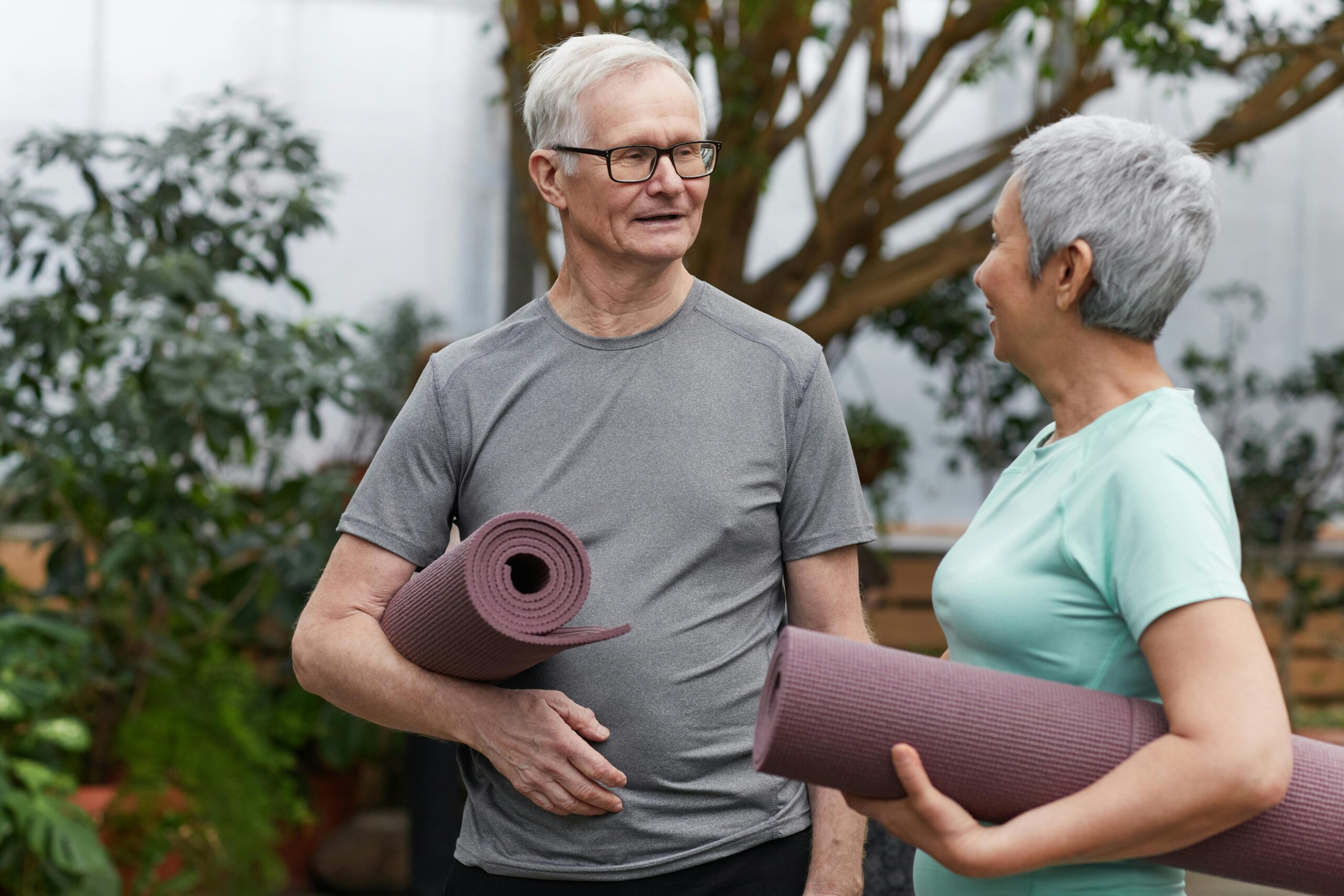
Balance and posture are the foundation of physical well-being, yet most people overlook their critical role in daily life and long-term health.

In our modern world of desk jobs, smartphone scrolling, and sedentary lifestyles, poor posture has become an epidemic silently affecting millions. The consequences extend far beyond occasional back pain – compromised balance and alignment impact confidence, breathing, energy levels, and even mood. Understanding how to master your balance and improve posture isn’t just about standing up straighter; it’s about unlocking a healthier, more confident version of yourself.
This comprehensive guide will explore the interconnected relationship between balance, posture, and overall wellness, providing you with actionable strategies to transform your physical foundation. Whether you’re experiencing discomfort from poor alignment or simply want to optimize your body mechanics, these insights will empower you to make meaningful changes that ripple through every aspect of your life.
🧘 The Hidden Connection Between Balance and Posture
Balance and posture work together as an integrated system that keeps your body functioning optimally. Your posture refers to the position your body maintains while standing, sitting, or lying down, while balance is your ability to maintain your center of gravity over your base of support.
When your posture deteriorates, your balance inevitably suffers. Slouching forward shifts your center of gravity, forcing your muscles to work harder to keep you upright. This creates a vicious cycle where poor posture leads to muscle imbalances, which further compromises your stability and alignment.
The proprioceptive system – your body’s internal awareness of its position in space – relies heavily on proper alignment. When vertebrae stack correctly and muscles maintain appropriate tension, your nervous system receives accurate feedback about your body’s position. Disrupted posture distorts these signals, making balance more challenging and increasing injury risk.
💪 Why Your Core Is the Command Center
Your core muscles form the foundation for both exceptional posture and reliable balance. This muscular complex includes far more than just abdominal muscles – it encompasses the deep stabilizers of your spine, pelvic floor, diaphragm, and muscles surrounding your hips and lower back.
A strong, functional core acts as a natural corset, supporting your spine and maintaining proper alignment with minimal effort. When core muscles are weak or imbalanced, your body compensates by creating tension in areas like your neck, shoulders, and lower back, leading to the chronic pain many people accept as normal.
Research consistently demonstrates that core stability training improves balance, reduces fall risk, and alleviates postural pain. The good news? You don’t need endless crunches to build a powerful core. Strategic exercises that engage deep stabilizing muscles prove far more effective than traditional approaches.
Essential Core Exercises for Better Balance
- Plank variations: Hold proper alignment while engaging deep stabilizers
- Bird dogs: Develop coordination and anti-rotation strength
- Dead bugs: Train core stability while moving limbs independently
- Pallof press: Build anti-rotation strength crucial for balance
- Single-leg stands: Directly challenge balance while activating stabilizers
🪑 The Modern Posture Crisis: Tech Neck and Beyond
Technology has revolutionized communication and productivity, but it’s simultaneously created a posture pandemic. “Tech neck” – the forward head position from looking down at devices – places enormous strain on cervical vertebrae and surrounding tissues.
For every inch your head moves forward from neutral alignment, your neck muscles must support an additional 10 pounds of perceived weight. Most smartphone users position their heads 2-4 inches forward, meaning neck muscles work against 20-40 extra pounds of pressure throughout the day.
This forward head posture triggers a cascade of compensations: rounded shoulders, collapsed chest, weakened deep neck flexors, and overactive upper trapezius muscles. Over time, these adaptations become structural changes that feel “normal” even though they’re profoundly dysfunctional.
Beyond neck pain, poor posture from technology use affects breathing capacity, digestive function, and even mood. Studies show that slouched postures correlate with increased feelings of depression and decreased energy, while upright postures enhance confidence and positive emotions.
🎯 Proprioception: Your Body’s GPS System
Proprioception represents your sixth sense – the ability to perceive your body’s position and movement without visual feedback. This neurological capability is fundamental to both balance and posture, yet most people have never heard of it.
Specialized receptors in muscles, tendons, and joints constantly send feedback to your brain about body position, tension, and movement. Your brain processes this information unconsciously, making micro-adjustments to maintain balance and appropriate posture without conscious thought.
Modern lifestyles diminish proprioceptive abilities. When you spend hours sitting still or moving through limited ranges of motion, these sensory receptors receive minimal stimulation. Like any underused system, proprioception deteriorates without regular challenge.
Proprioceptive Training Techniques
Enhancing proprioception doesn’t require expensive equipment or complex protocols. Simple practices systematically challenge your body’s spatial awareness:
- Balance board exercises: Unstable surfaces force constant proprioceptive adjustments
- Single-leg activities: Standing on one foot while performing tasks
- Eyes-closed movements: Removing visual input intensifies proprioceptive demands
- Barefoot walking: Activates foot receptors dulled by supportive footwear
- Slow, controlled movements: Tai chi and similar practices enhance body awareness
🏃 Movement Patterns That Build Better Posture
Static posture represents just one dimension of alignment. How you move – your dynamic posture – matters equally for long-term health and injury prevention. Many people maintain decent standing posture but move dysfunctionally during daily activities.
Fundamental movement patterns like squatting, hinging, pushing, pulling, and rotating form the foundation of human biomechanics. When performed with proper alignment, these movements strengthen the exact muscles needed for good posture while reinforcing healthy movement patterns.
Conversely, repeated dysfunctional movements create compensations that become ingrained. If you consistently bend from your back instead of hinging at your hips, you train poor patterns that eventually manifest as pain and postural deterioration.
Movement Quality Over Quantity
Rather than rushing through exercises or daily tasks, prioritizing movement quality transforms how your body functions. Slow, intentional movements with attention to alignment provide neuromuscular training that carries over into automatic patterns.
When lifting objects, focus on maintaining a neutral spine and engaging your core before movement begins. When standing from a chair, shift your weight forward and drive through your heels rather than pulling with your back. These small adjustments, repeated consistently, reshape your default movement patterns.
😴 Sleep Position: The Forgotten Posture Factor
You spend roughly one-third of your life sleeping, making sleep position a critical but often overlooked aspect of posture health. How you position your body during sleep either supports or undermines alignment achieved during waking hours.
Stomach sleeping creates excessive neck rotation and lumbar extension that stresses joints and soft tissues. Side sleeping without proper support allows shoulders to collapse forward and hips to rotate internally. Even back sleeping can be problematic without appropriate pillow support.
Optimal sleep positions maintain spinal curves similar to standing alignment. For side sleepers, this means a pillow that keeps your head neutral (not tilted up or down) and a pillow between knees to prevent hip rotation. Back sleepers benefit from a pillow under knees to reduce lumbar stress.
🧠 The Mind-Body Connection in Postural Awareness
Sustainable posture improvement requires more than physical exercises – it demands developing conscious awareness of your body in space. Most poor posture happens unconsciously, with people having little awareness of their actual position versus their perceived position.
Mindfulness practices that enhance body awareness create the foundation for lasting postural change. When you develop the habit of checking in with your body throughout the day, you catch slouching or misalignment before it becomes entrenched.
Regular body scans – systematically bringing attention to different body parts – strengthen the neural pathways between consciousness and physical sensation. This heightened awareness allows you to notice and correct postural deviations before they cause discomfort.
Creating Postural Habits That Stick
Behavior change research shows that environmental cues and implementation intentions significantly increase success rates. Rather than relying on willpower, strategic habit design makes good posture automatic:
- Set hourly phone reminders to check and correct posture
- Place sticky notes on monitors or mirrors as visual cues
- Link posture checks to existing habits (every time you drink water, check alignment)
- Use apps designed to prompt movement and postural awareness
- Arrange workspaces to encourage rather than undermine good posture
🍽️ Nutrition’s Surprising Role in Posture and Balance
While nutrition might seem unrelated to posture, what you eat directly impacts the structural tissues and neuromuscular systems that maintain alignment and balance. Chronic inflammation from poor dietary choices increases pain sensitivity and muscle tension, making good posture physically uncomfortable.
Adequate protein intake provides amino acids necessary for muscle maintenance and repair. When pursuing posture improvement through strengthening exercises, insufficient protein limits your progress regardless of training quality.
Hydration affects spinal disc health, as these structures rely on fluid content to maintain height and shock-absorbing capabilities. Chronic dehydration literally causes spinal compression, increasing postural strain and discomfort.
Anti-inflammatory foods like omega-3 fatty acids, colorful vegetables, and antioxidant-rich fruits support tissue health and recovery. Conversely, processed foods, excess sugar, and inflammatory fats perpetuate the chronic low-grade inflammation that exacerbates postural pain.
👟 Footwear and Foundation: Starting From the Ground Up
Your feet form the foundation of your entire postural system. How they contact the ground influences alignment all the way up through your ankles, knees, hips, spine, and neck. Modern footwear often interferes with natural foot function, creating compensations throughout the kinetic chain.
Elevated heels – even the small heel common in athletic shoes – shift your center of gravity forward, requiring increased back muscle activation to maintain upright posture. Over time, this adaptation shortens calf muscles and creates anterior pelvic tilt.
Narrow toe boxes compress toes together, preventing them from spreading naturally for balance and push-off during walking. Excessive arch support can actually weaken intrinsic foot muscles, diminishing their contribution to balance and postural control.
Transitioning to Healthier Footwear
Moving toward more minimal footwear should happen gradually to allow adaptation. Suddenly switching to zero-drop, minimalist shoes after years in supportive footwear risks injury. A progressive approach might include:
- Start with lower-heel shoes for everyday wear
- Spend time barefoot at home to strengthen foot muscles
- Practice balance exercises without shoes
- Gradually introduce wider toe box designs
- Allow several months for full transition to minimalist footwear
📱 Technology Tools for Balance and Posture Improvement
While technology contributes to postural problems, it can also provide solutions when used strategically. Various apps offer posture reminders, movement prompts, and guided exercises specifically designed to improve alignment and balance.
Posture analysis apps use your smartphone camera to assess alignment and track changes over time. These visual tools help you see what you might not feel, making the abstract concept of “good posture” more concrete and measurable.
Balance training applications provide progressive challenges and objective metrics to quantify improvement. Gamification elements in many apps increase engagement and consistency – crucial factors for long-term success.
🌟 The Confidence Factor: Posture’s Psychological Impact
The relationship between posture and psychology operates bidirectionally – your mental state influences your posture, and your posture influences your mental state. This feedback loop creates either virtuous or vicious cycles depending on which direction it moves.
Research demonstrates that adopting upright, expansive postures increases feelings of confidence and power while reducing stress hormones. Conversely, collapsed, closed postures correlate with decreased confidence and increased cortisol levels.
The “embodied cognition” perspective suggests that physical position directly influences cognitive and emotional processing. When you physically embody confidence through posture, your brain receives signals that reinforce confident thoughts and feelings.
Beyond internal experience, others unconsciously interpret your posture as communication about your confidence, competence, and status. Improved posture literally changes how the world perceives and responds to you, creating real external advantages beyond the internal benefits.
🔄 Creating Your Personalized Balance and Posture Protocol
Sustainable improvement requires an individualized approach that addresses your specific limitations, lifestyle, and goals. A one-size-fits-all program rarely produces lasting results because each person’s postural challenges stem from unique combinations of factors.
Begin with honest assessment of your current state. Take photos from front, side, and back views in your natural standing posture. Test balance by standing on one foot with eyes closed, timing how long you can maintain stability. Document current pain or discomfort patterns.
Identify your primary postural deviations and the likely causes. Do you have forward head position from computer work? Rounded shoulders from driving? Anterior pelvic tilt from prolonged sitting? Different issues require different solutions.
Sample Weekly Protocol
| Day | Focus | Activities |
|---|---|---|
| Monday | Core Stability | Planks, dead bugs, bird dogs (15 minutes) |
| Tuesday | Balance Training | Single-leg stands, balance board work (10 minutes) |
| Wednesday | Mobility | Hip flexor stretches, thoracic extensions (15 minutes) |
| Thursday | Movement Patterns | Squat, hinge, push, pull practice (20 minutes) |
| Friday | Proprioception | Eyes-closed exercises, slow movement practice (10 minutes) |
| Weekend | Integration | Mindful walking, posture awareness practice (ongoing) |
💡 Troubleshooting Common Obstacles
Even with knowledge and motivation, most people encounter barriers when implementing posture and balance improvements. Anticipating these challenges allows you to develop strategies before they derail your progress.
Discomfort during correction: Good posture initially feels awkward or uncomfortable because your body has adapted to dysfunctional positions. This temporary discomfort doesn’t mean you’re doing something wrong – it reflects necessary adaptation. Gradual progression allows tissues to adjust without excessive soreness.
Forgetting throughout the day: Unconscious habits dominate most behavior, making conscious postural awareness difficult to maintain. Environmental modifications and strategic reminders bridge the gap until new patterns become automatic. Place visual cues in your environment and use technology to prompt regular check-ins.
Inconsistent practice: Life disruptions and competing priorities make consistency challenging. Rather than requiring perfect adherence, build flexibility into your approach. Missing a day or week doesn’t erase progress – simply resume your practice without self-judgment.

🚀 Your Journey to Balanced, Confident Living
Mastering balance and posture represents an investment in your long-term health, confidence, and quality of life. Unlike quick fixes that promise unrealistic results, genuine postural transformation requires consistent practice, patience, and commitment to the process.
The strategies outlined in this guide provide a comprehensive framework, but remember that sustainable change happens gradually. Small, consistent actions compound over time into remarkable transformations. Focus on progress rather than perfection, celebrating incremental improvements along the way.
Your body possesses remarkable adaptive capacity – the same neuroplasticity and tissue remodeling that allowed poor patterns to develop will support building healthier ones. Every moment of awareness, every corrective exercise, and every mindful movement reinforces neural pathways that make good posture increasingly automatic.
As you develop better balance and alignment, you’ll notice benefits extending far beyond physical comfort. Energy levels improve when your body doesn’t waste effort fighting gravity. Breathing deepens when your chest opens and diaphragm moves freely. Confidence grows as you embody physical presence and capability.
Start where you are, use what you have, and do what you can. Your journey to improved posture and balance begins with a single conscious moment of awareness. From that foundation, you’ll build the strength, stability, and presence that transform not just how you move through the world, but how you experience it. The healthier, more confident version of yourself is already within you – it’s time to stand tall and embrace it! 💪✨