
Repetitive strain injuries silently impact millions of workers worldwide, reducing productivity and quality of life while increasing healthcare costs and workplace absenteeism significantly.

In today’s digital-first workplace, the modern professional spends countless hours performing the same movements—typing, clicking, scrolling, and swiping. What begins as minor discomfort can quickly escalate into chronic pain conditions that derail careers and diminish personal well-being. Understanding how to prevent repetitive strain injuries (RSIs) isn’t just about avoiding pain; it’s about optimizing your performance, maintaining your competitive edge, and ensuring long-term career sustainability.
The statistics paint a concerning picture. According to occupational health research, repetitive strain injuries account for over 30% of all workplace injury compensation claims, with the average recovery time extending beyond six weeks. The economic impact extends far beyond individual suffering, costing businesses billions annually in lost productivity, medical expenses, and employee turnover.
🔍 Understanding Repetitive Strain Injuries: What You’re Really Facing
Repetitive strain injuries develop gradually through cumulative trauma to muscles, tendons, ligaments, and nerves. Unlike acute injuries from sudden accidents, RSIs emerge from thousands of small micro-traumas that accumulate over weeks, months, or years. The body’s natural repair mechanisms simply can’t keep pace with the constant damage.
The most common types of repetitive strain injuries include carpal tunnel syndrome, tendonitis, bursitis, trigger finger, and cervical radiculopathy. Each condition presents unique symptoms, but they share common risk factors: repetitive motions, awkward postures, forceful exertions, insufficient rest periods, and poor ergonomic setups.
What makes RSIs particularly insidious is their gradual onset. Most people ignore early warning signs—occasional tingling, mild stiffness, or temporary discomfort—dismissing them as normal fatigue. By the time pain becomes persistent and interferes with daily activities, significant tissue damage may have already occurred, making recovery considerably more challenging.
The Biomechanics Behind the Pain
When you perform repetitive movements, muscles contract and relax thousands of times daily. Each contraction generates metabolic byproducts that must be cleared through blood circulation. Continuous repetition without adequate rest prevents proper circulation, leading to inflammation and tissue irritation.
Tendons, which connect muscles to bones, face particular vulnerability. These structures have relatively limited blood supply compared to muscles, meaning they heal slower and accumulate damage more readily. When inflammation sets in, the affected area swells, potentially compressing nearby nerves and creating the numbness, tingling, or shooting pain characteristic of many RSIs.
💼 Workplace Strategies That Actually Work
Prevention begins with recognizing that your workspace significantly influences your injury risk. The relationship between ergonomics and repetitive strain prevention isn’t merely theoretical—proper workspace design demonstrably reduces injury rates while simultaneously boosting productivity and employee satisfaction.
Ergonomic Essentials for Your Desk Setup
Your chair forms the foundation of ergonomic sitting. Choose seating with adjustable height, lumbar support, and armrests that allow your feet to rest flat on the floor with thighs parallel to the ground. Your hips should sit slightly higher than your knees, creating approximately a 100-110 degree angle that reduces lower back strain.
Monitor positioning dramatically affects neck and shoulder strain. Position your screen at arm’s length, with the top of the display at or slightly below eye level. This arrangement allows you to maintain a neutral neck position without constant flexion or extension. For laptop users, consider using an external keyboard and mouse with a laptop stand to achieve proper screen height.
Keyboard and mouse placement deserves special attention. Keep these input devices close enough that your elbows remain at your sides with forearms parallel to the floor. Your wrists should float in a neutral position—not bent upward, downward, or to either side. Consider using a keyboard tray that adjusts both height and tilt for optimal positioning.
The Power of Strategic Movement Breaks
The human body wasn’t designed for prolonged static postures. Research consistently shows that regular movement breaks reduce fatigue, prevent injuries, and actually improve cognitive performance and productivity. The key lies in implementing structured break protocols rather than waiting until discomfort forces you to move.
The 20-20-20 rule provides an excellent starting framework: every 20 minutes, take 20 seconds to look at something 20 feet away. This simple practice relieves eye strain while prompting you to shift positions. Expand this concept by incorporating brief stretches or position changes every 30 minutes and taking a longer 5-10 minute movement break every hour.
During these breaks, focus on movements that counteract your typical work postures. If you’ve been hunched forward typing, perform gentle backward-bending stretches. If you’ve been gripping a mouse, spread your fingers wide and make gentle fist-pumping motions to promote circulation. Walk briefly to engage different muscle groups and increase overall blood flow.
🏋️ Strengthening and Conditioning: Your Best Defense
While ergonomics and breaks form essential foundations, building physical resilience through targeted exercises provides another crucial layer of protection. Stronger, more flexible tissues withstand repetitive stress more effectively and recover more quickly from micro-trauma.
Targeted Exercises for Computer Professionals
Wrist and forearm strengthening helps prevent conditions like carpal tunnel syndrome and tendonitis. Simple exercises include wrist curls, reverse wrist curls, and grip strengthening with stress balls or hand grippers. Perform these exercises with light resistance and higher repetitions, focusing on controlled movements rather than maximum weight.
Shoulder and neck strengthening counteracts the forward-head posture common among desk workers. Exercises like face pulls, wall angels, and chin tucks strengthen the posterior chain muscles that maintain proper alignment. These movements pull your shoulders back and down while extending your thoracic spine, reversing the rounded shoulder position that contributes to multiple RSI conditions.
Core stability exercises deserve equal attention. A strong core supports proper posture throughout your workday, reducing compensatory strain on your extremities. Planks, bird dogs, and dead bugs strengthen the deep stabilizing muscles that maintain spinal alignment during prolonged sitting.
Flexibility and Mobility Work
Tight tissues limit range of motion and force joints into compromised positions that increase injury risk. Regular stretching maintains tissue extensibility and joint mobility, allowing your body to move through its natural ranges without excessive strain.
Focus on stretches that target areas prone to tightness in desk workers: chest and anterior shoulder stretches counteract forward shoulder posture, hip flexor stretches address tightness from prolonged sitting, and wrist extensor stretches relieve forearm tension from typing and mouse use.
Hold static stretches for 30-60 seconds, breathing deeply and avoiding bouncing movements. Perform stretches after muscles are warm—either following exercise or during mid-day breaks—rather than immediately upon waking when tissues are stiff and potentially more vulnerable to strain.
📱 Technology: Friend or Foe?
Technology presents a paradox in the RSI prevention conversation. Digital devices contribute significantly to repetitive strain risk, yet technology also offers powerful solutions for monitoring, prevention, and habit modification. The key lies in using technology strategically to support healthy behaviors rather than enabling harmful patterns.
Apps That Support Healthy Computing Habits
Numerous applications help enforce regular breaks and promote proper work habits. These tools range from simple reminder apps to sophisticated programs that monitor your computer usage patterns and provide personalized recommendations. Break reminder applications prompt you to step away at regular intervals, often suggesting specific stretches or exercises during your break time.
Posture monitoring applications use your device’s camera or specialized sensors to assess your sitting position and alert you when you drift into harmful postures. While these tools require initial calibration and honest assessment of their feedback, they provide valuable real-time awareness that helps internalize proper positioning habits.
Exercise and stretching apps offer guided routines specifically designed for office workers. Many include video demonstrations, customizable routines, and progress tracking features that help you build consistency. Look for applications that focus on workplace-appropriate exercises requiring no equipment and minimal space.
Smart Accessories for RSI Prevention
Ergonomic accessories leverage technology to reduce strain. Vertical mice position your hand in a more natural handshake position, reducing forearm pronation and associated strain. Ergonomic keyboards split, tent, or curve to minimize wrist deviation and promote neutral positioning.
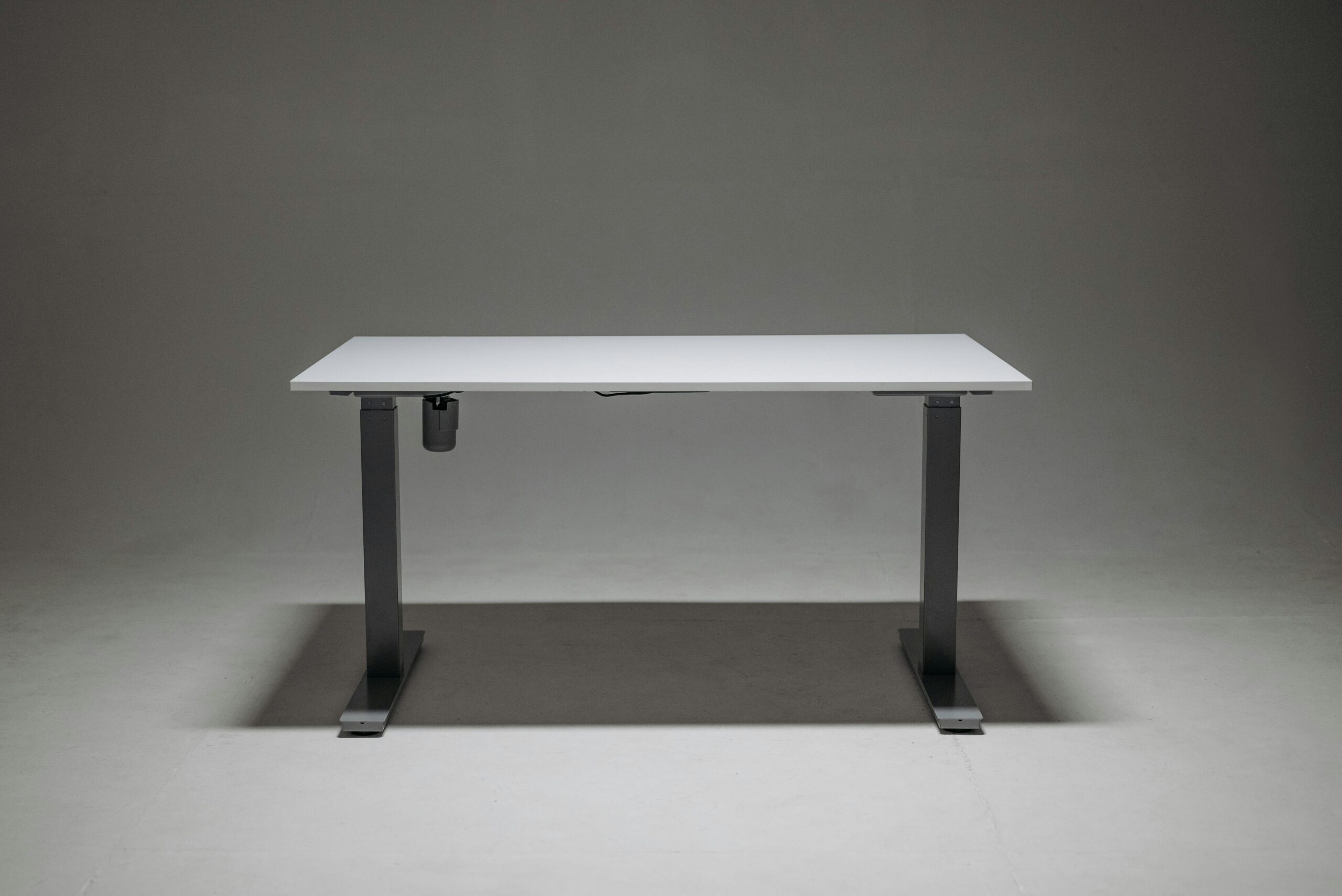
Standing desk converters and full standing desks allow position variation throughout your day. Research suggests alternating between sitting and standing—rather than exclusively standing—provides optimal benefits. Start with 15-20 minute standing intervals several times daily, gradually increasing duration as your body adapts.
Wearable devices that track activity and provide posture feedback offer another technological approach. Some devices vibrate when you maintain poor posture beyond a specified threshold, providing gentle reminders that help retrain positioning habits without conscious effort.
🏠 Beyond the Office: Protecting Yourself Everywhere
Repetitive strain risks extend far beyond your workplace. Modern life presents numerous RSI hazards: smartphone use, gaming, household tasks, hobbies, and recreational activities all involve repetitive movements that can contribute to cumulative strain.
Smartphone and Device Management
Smartphone use has introduced new repetitive strain patterns affecting thumbs, wrists, and necks. “Text neck” describes the cervical strain from constantly looking down at devices, while “smartphone thumb” refers to thumb joint pain from repetitive scrolling and typing.
Reduce smartphone-related strain by bringing devices to eye level rather than bending your neck downward. Use voice-to-text features for longer messages instead of typing. Take regular breaks from extended scrolling sessions, and consider using a stylus for precise tasks rather than repeatedly tapping with your thumb.
Tablet users should invest in stands that position devices at appropriate viewing angles. Avoid holding tablets for extended periods, as the weight creates sustained isometric contraction in your arms and shoulders. When reading on devices, vary your position regularly rather than maintaining the same posture for hours.
Gaming and Recreational Activities
Gaming presents significant RSI risks due to intense, sustained input device use combined with high emotional engagement that may mask early warning signs of strain. Console gamers face risks from controller grip tension and repetitive button pressing, while PC gamers encounter similar hazards to office workers but often with even less ergonomic awareness.
Apply workplace ergonomic principles to gaming setups: proper seating, appropriate monitor height, and neutral wrist positions. Take mandatory breaks every hour regardless of game status. Perform hand and wrist stretches between gaming sessions. Consider this investment in your long-term ability to enjoy your hobby rather than an interruption.
Musical instruments, crafts, and other hobbies involving repetitive movements require similar attention. Gradually build up practice duration rather than jumping into marathon sessions. Maintain awareness of tension in your hands, arms, and shoulders, relaxing unnecessary muscular contraction. Cross-train with activities using different movement patterns to provide variety and recovery time.
⚠️ Recognizing Warning Signs Before It’s Too Late
Early intervention dramatically improves outcomes for repetitive strain injuries. Understanding and heeding early warning signs allows you to modify behaviors before significant tissue damage occurs, potentially preventing chronic conditions that could otherwise require months of treatment or even surgical intervention.
The Progressive Nature of RSI Symptoms
Repetitive strain injuries typically progress through distinct stages. Stage one involves occasional discomfort during activity that resolves quickly with rest. Stage two presents discomfort that persists longer after activity cessation and may interfere with work performance. Stage three features constant pain even at rest, often accompanied by weakness, numbness, or other neurological symptoms.
Common early warning signs include aching or throbbing sensations during repetitive activities, stiffness after periods of inactivity, occasional tingling or numbness, reduced grip strength, and difficulty with fine motor tasks. These symptoms may initially seem minor and intermittent but represent your body’s early distress signals that deserve immediate attention.
Pay particular attention to symptoms that worsen progressively or fail to improve with rest. If discomfort begins affecting activities outside work, interferes with sleep, or persists beyond a few days, seek professional evaluation rather than hoping the problem will resolve spontaneously.
When to Seek Professional Help
Consult healthcare professionals when symptoms persist beyond two weeks despite self-care measures, worsen progressively, or significantly impact your function. Physical therapists, occupational therapists, and specialized physicians can provide accurate diagnosis, targeted treatment, and workplace accommodation recommendations.
Early professional intervention often prevents minor problems from becoming chronic conditions. Treatment approaches may include manual therapy, therapeutic exercises, modality treatments, ergonomic analysis, and activity modification guidance. In some cases, splinting or bracing provides symptom relief while tissues heal.
🌟 Creating Sustainable Habits for Long-Term Prevention
Knowledge without implementation provides little protection. The challenge lies not in understanding what to do but in consistently doing it. Building sustainable habits requires intentional strategy, environmental design, and commitment to long-term health over short-term convenience.
The Implementation Framework
Start small rather than attempting comprehensive lifestyle overhaul. Choose one or two specific behaviors to implement first—perhaps setting a timer for hourly breaks or adjusting your monitor height. Once these habits become automatic, add additional protective behaviors gradually.
Use environmental cues to trigger desired behaviors. Position stretch routine printouts near your workspace. Set recurring calendar reminders for movement breaks. Keep a stress ball on your desk as a visual prompt for hand exercises. These environmental modifications reduce reliance on willpower alone.
Track your compliance initially to build awareness and accountability. Simple check marks on a calendar for each day you complete your routine can provide motivation and reveal patterns in your consistency. Many find that tracking alone improves adherence even without external accountability.
Workplace Culture and Organizational Support
Individual efforts gain significant support from organizational cultures that prioritize injury prevention. Employers benefit substantially from implementing comprehensive RSI prevention programs through reduced injury rates, lower workers’ compensation costs, improved productivity, and enhanced employee satisfaction and retention.
Effective workplace programs include ergonomic assessments for all employees, provision of adjustable furniture and appropriate equipment, education about RSI risks and prevention strategies, and cultural normalization of regular breaks and movement. When organizations explicitly encourage protective behaviors rather than implicitly discouraging them through unrealistic workload expectations, compliance increases dramatically.
Employees should advocate for appropriate accommodations and support. Most jurisdictions require employers to provide ergonomically sound workspaces and reasonable accommodations for injury prevention. Don’t hesitate to request equipment adjustments, ergonomic assessments, or workspace modifications that support your health and productivity.
🎯 Your Action Plan: Starting Today
Transform this information into personal protection by implementing a structured action plan. Begin with a workspace audit: evaluate your current setup against ergonomic guidelines, identifying specific adjustments needed. Prioritize changes offering maximum impact—monitor height, keyboard position, and seating typically provide the greatest benefits.
Establish your break routine immediately. Set reminders for movement breaks at intervals appropriate for your work style. Even brief 30-second micro-breaks every 20 minutes provide measurable benefits. Gradually extend break duration and incorporate specific stretches or exercises as the habit solidifies.
Commit to regular strengthening and flexibility work. Schedule three to four weekly sessions including targeted exercises for commonly affected areas. Consider this appointment with yourself as non-negotiable as any business meeting—your career longevity depends on it.
Monitor your symptoms with honest awareness. Keep a simple log noting any discomfort, its timing, intensity, and potential triggers. This record helps identify problematic activities requiring modification and provides valuable information if you eventually need professional evaluation.
Remember that repetitive strain injury prevention isn’t about perfection but consistent implementation of protective strategies. Small actions compound over time, creating significant long-term benefits for your comfort, productivity, and career sustainability. The investment you make today in healthy computing habits pays dividends throughout your professional life, allowing you to maintain peak performance without sacrificing your physical wellbeing.
Your body represents your most important professional tool. Protect it with the same diligence you apply to backing up data or maintaining equipment. The strategies outlined here aren’t optional luxuries but essential practices for anyone whose work involves repetitive movements. Start implementing them today, and your future self will thank you for the foresight and commitment to long-term health and productivity. 💪