
In an era of rapid change and unpredictability, mastering sustainable productivity isn’t just advantageous—it’s essential for long-term success and organizational resilience.

The modern business landscape demands more than short-term wins and quarterly targets. Organizations and individuals alike are recognizing that true success lies in building systems, habits, and strategies that sustain productivity and growth over extended periods. This shift from reactive management to proactive planning represents a fundamental transformation in how we approach work, innovation, and organizational development.
Sustainable productivity isn’t about working harder or longer hours. It’s about creating frameworks that allow consistent performance without burnout, systems that adapt to changing circumstances, and strategies that balance immediate demands with future aspirations. The question isn’t whether you can sprint faster, but whether you can maintain a healthy pace that carries you across the marathon of professional life.
🎯 Understanding the Foundation of Sustainable Productivity
Before diving into specific strategies, we must first understand what sustainable productivity actually means. It’s the ability to maintain high performance levels over extended periods while preserving physical health, mental well-being, and personal relationships. This definition immediately distinguishes it from the hustle culture that has dominated recent decades.
Research consistently shows that productivity isn’t linear. The traditional model of “more hours equals more output” has been thoroughly debunked. Instead, sustainable productivity recognizes natural rhythms, acknowledges human limitations, and builds systems around these realities rather than fighting against them.
The foundation rests on three pillars: energy management, strategic planning, and adaptive systems. Energy management recognizes that our capacity fluctuates throughout the day and year. Strategic planning ensures we’re working on the right things, not just working hard. Adaptive systems allow us to pivot when circumstances change without losing momentum.
The Energy Management Revolution
Traditional time management focuses on scheduling tasks within available hours. Energy management takes a more sophisticated approach, matching task types to your natural energy patterns. High-cognitive tasks require peak mental energy, while administrative work can be batched during lower-energy periods.
This approach requires self-awareness and experimentation. Track your energy levels across several weeks, noting when you feel most alert, creative, and focused. Pattern recognition will reveal your optimal windows for different work types, allowing you to design schedules that work with your biology rather than against it.
📊 Strategic Planning for Long-Term Growth
Strategic planning extends beyond annual goals and five-year plans. It involves creating a clear vision of desired outcomes while building flexibility into the journey. The most effective long-term strategies balance ambition with adaptability, maintaining direction without rigid adherence to predetermined paths.
Start with outcome visualization. Where do you want to be in ten years? What capabilities must you develop? Which relationships need nurturing? What knowledge domains require mastery? These questions create a destination without prescribing every step of the journey.
Break this vision into milestone markers—significant checkpoints that indicate progress without constraining methodology. Think of them as waypoints on a map rather than a detailed itinerary. This approach provides direction while allowing course corrections as you gather new information and encounter unexpected opportunities.
The Power of Integrated Planning Systems
Long-term productivity requires systems that connect daily actions to ultimate objectives. Without this integration, we risk busy-work that feels productive but doesn’t advance meaningful goals. The solution lies in multi-level planning that cascades from vision to annual goals to quarterly objectives to weekly priorities to daily tasks.
Many professionals find success with digital planning tools that facilitate this integration. Project management platforms help visualize connections between tasks and larger objectives, ensuring every action contributes to overarching goals.
Alternatively, time-blocking applications can help structure your day around priorities rather than urgencies, protecting time for strategic work that drives long-term growth.
💡 Building Sustainable Productivity Habits
Habits form the bedrock of sustainable productivity. While motivation fluctuates and willpower depletes, well-established habits operate automatically, requiring minimal conscious effort. The key lies in designing habit systems that support long-term objectives rather than collecting random productivity tricks.
Focus on keystone habits—behaviors that trigger cascading positive effects across multiple life areas. Regular exercise improves energy, mental clarity, and stress resilience. Consistent sleep schedules enhance cognitive function, emotional regulation, and immune response. These foundational habits create conditions where other productive behaviors naturally flourish.
Implementation Intentions and Habit Stacking
Implementation intentions transform vague goals into concrete action plans. Rather than “I’ll exercise more,” specify “I’ll do 30 minutes of strength training every Monday, Wednesday, and Friday at 7 AM.” This specificity eliminates decision fatigue and reduces friction between intention and action.
Habit stacking attaches new behaviors to existing routines. If you already drink coffee each morning, stack a five-minute planning session immediately after. The established habit serves as a trigger for the new behavior, increasing consistency without requiring additional willpower.
- Start small: Begin with micro-habits that feel almost too easy, then gradually increase complexity
- Track consistently: Use simple tracking methods to maintain awareness without creating administrative burden
- Celebrate progress: Acknowledge wins to reinforce positive associations with productive behaviors
- Review regularly: Assess which habits serve your current goals and which need adjustment
- Build progressively: Master one habit before adding another to avoid overwhelming your system
🔄 Creating Adaptive Systems for Changing Environments
The future resists prediction. Technologies emerge, markets shift, and personal circumstances evolve. Sustainable productivity requires systems flexible enough to accommodate change without complete reconstruction. This adaptability distinguishes truly sustainable approaches from rigid methodologies that crumble under unexpected pressure.
Build modularity into your systems. Rather than one monolithic productivity approach, develop multiple complementary strategies that can be activated, adjusted, or paused based on circumstances. When travel disrupts your routine, shift to a simplified system that maintains momentum without requiring your full infrastructure.
Regular Review Rhythms
Adaptation requires information. Establish regular review rhythms at multiple timescales. Daily reviews take five minutes to assess what worked, what didn’t, and what needs adjustment tomorrow. Weekly reviews look at progress toward current objectives and plan the upcoming week. Monthly and quarterly reviews zoom out further, examining trends and recalibrating strategies.
These reviews serve multiple purposes. They provide opportunities to celebrate progress, identify obstacles early, and make course corrections before minor issues become major problems. The rhythm itself creates predictability within flexibility—you know when reassessment happens, allowing you to experiment with confidence between review points.
🌱 Balancing Growth Across Multiple Dimensions
Sustainable productivity recognizes that professional growth exists within a broader life context. Neglecting health, relationships, or personal development eventually undermines professional performance. True sustainability requires balanced attention across multiple life dimensions, each supporting and reinforcing the others.
Consider the interconnections. Professional stress impacts relationships, which affects mental health, which reduces work performance, creating a downward spiral. Conversely, strong relationships provide emotional support that enhances stress resilience, improving professional capacity. These connections mean isolated optimization fails—you must consider the system as a whole.
| Life Dimension | Key Indicators | Supports Productivity Through |
|---|---|---|
| Physical Health | Energy levels, sleep quality, illness frequency | Sustained energy, cognitive function, stress resistance |
| Mental Well-being | Mood stability, stress levels, mental clarity | Focus, creativity, emotional regulation |
| Relationships | Connection quality, social support, conflict levels | Emotional support, perspective, motivation |
| Professional Development | Skill growth, career progress, job satisfaction | Competence, confidence, opportunity access |
| Financial Stability | Income security, debt levels, savings growth | Reduced stress, resource availability, choice freedom |
Integrated Goal Setting
Rather than setting isolated goals in each life area, look for objectives that serve multiple dimensions simultaneously. Learning a new language might advance career prospects while providing mental stimulation and connecting you with a new community. This integration maximizes return on invested effort while naturally creating balance.
⚡ Leveraging Technology Without Becoming Dependent
Technology offers unprecedented productivity capabilities, from automation tools to collaboration platforms to AI assistants. However, over-reliance creates fragility. When systems fail or circumstances limit access, technology-dependent productivity collapses. The solution lies in strategic technology use that enhances capability without replacing fundamental skills.
Use technology to eliminate drudgery, not thinking. Automate repetitive tasks, but maintain the cognitive skills they once developed. Leverage AI for research assistance, but preserve your analytical capabilities. This approach captures technology’s benefits while maintaining resilience when tools become unavailable.
The Digital-Analog Balance
Despite digital advantages, analog tools offer unique benefits. Physical note-taking enhances memory retention. Paper planning eliminates digital distractions. Analog tools don’t crash, require updates, or depend on batteries. Many highly productive individuals maintain hybrid systems, using digital tools for complex projects and collaboration while preserving analog methods for focused thinking and strategic planning.
🚀 Scaling Productivity Through Delegation and Systems
Individual productivity has limits. Sustainable growth requires moving beyond personal execution to system creation and effective delegation. This transition challenges many high-performers who built success through personal capability. However, refusing this evolution creates a ceiling where further growth becomes impossible without unsustainable personal sacrifice.
Start by identifying tasks only you can do versus tasks others could handle with proper training and systems. Many resist delegation believing “it’s faster to do it myself.” This may be true short-term, but it prevents building capacity for future growth. Investment in training and systems creation pays compounding returns over time.
Building Scalable Systems
Document processes as you work. When you notice yourself repeating a task, create a standard operating procedure. This documentation serves multiple purposes: it clarifies your own thinking, enables delegation, and creates continuity when circumstances change. The time invested in documentation multiplies as these systems get reused and refined.
Focus on creating systems that work without you. This doesn’t mean abdicating responsibility, but rather building processes that run smoothly whether you’re present or not. This freedom allows strategic focus on high-value activities only you can perform while routine operations continue reliably.
🎓 Continuous Learning as Productivity Infrastructure
The half-life of professional skills continues shrinking. What works today may be obsolete tomorrow. Sustainable productivity requires treating learning not as occasional training but as continuous infrastructure that maintains relevance and capability over time. This shift reframes learning from cost to investment, from interruption to foundation.
Implement learning systems that fit your life rather than requiring dramatic schedule overhauls. Micro-learning sessions of 15-20 minutes daily often prove more effective than occasional intensive courses. Podcast learning during commutes, reading before bed, or online courses during lunch breaks integrate development into existing routines.
Strategic Skill Development
Not all learning equally serves long-term productivity. Focus on skills with enduring value and broad application. Communication, critical thinking, and emotional intelligence remain valuable across contexts and time. Technical skills should balance current relevance with future trajectory—learn emerging technologies while they’re still accessible, positioning yourself ahead of demand curves.
Develop learning agility—the ability to quickly acquire new skills—as a meta-skill. This capability allows rapid adaptation as requirements change, creating resilience regardless of specific future developments. Practice learning diverse skills to develop pattern recognition that accelerates future learning.
🌟 Maintaining Momentum Through Inevitable Challenges
No productivity system eliminates challenges. Life delivers disruptions, setbacks test resolve, and unexpected circumstances demand adaptation. Sustainable productivity acknowledges these realities, building resilience rather than assuming perpetual smooth sailing. The question isn’t whether challenges will arise, but how quickly you’ll recover when they do.
Create fallback systems for common disruptions. When illness strikes, shift to a minimal viable routine that maintains critical commitments while allowing recovery. When major life events demand attention, have a simplified system ready that preserves momentum on essential priorities while accommodating new demands.
The Resilience Mindset
Resilience combines realistic optimism with practical preparation. Acknowledge that setbacks will occur without catastrophizing their impact. View challenges as temporary obstacles rather than permanent failures. This perspective maintains motivation through difficulties while preventing the all-or-nothing thinking that turns minor disruptions into complete derailments.
Build buffer capacity into your systems. Avoid scheduling at 100% capacity, leaving margin for unexpected demands. This buffer might feel like inefficiency during smooth periods, but it provides critical flexibility when circumstances shift. The most sustainable systems operate at 80-85% capacity, maintaining performance while preserving adaptability.
🔮 Embracing Uncertainty While Maintaining Direction
The future grows increasingly unpredictable. Rather than fighting this reality, sustainable productivity embraces uncertainty while maintaining directional clarity. You might not know exactly how you’ll reach your destination or what challenges you’ll encounter, but you remain clear about where you’re heading and why it matters.
This approach requires comfort with ambiguity—the ability to take action despite incomplete information. Perfectionism and extensive planning provide comfort but often delay action indefinitely. Instead, adopt an experimental mindset: form hypotheses, test them through action, gather feedback, and adjust based on results.
Build optionality into your strategies. Rather than betting everything on a single approach, develop multiple paths toward your objectives. This diversification reduces risk while increasing likelihood that some path succeeds. As circumstances clarify, you can focus resources on the most promising directions without having committed irrevocably to a single strategy.
🎯 Bringing It All Together: Your Personal Productivity Architecture
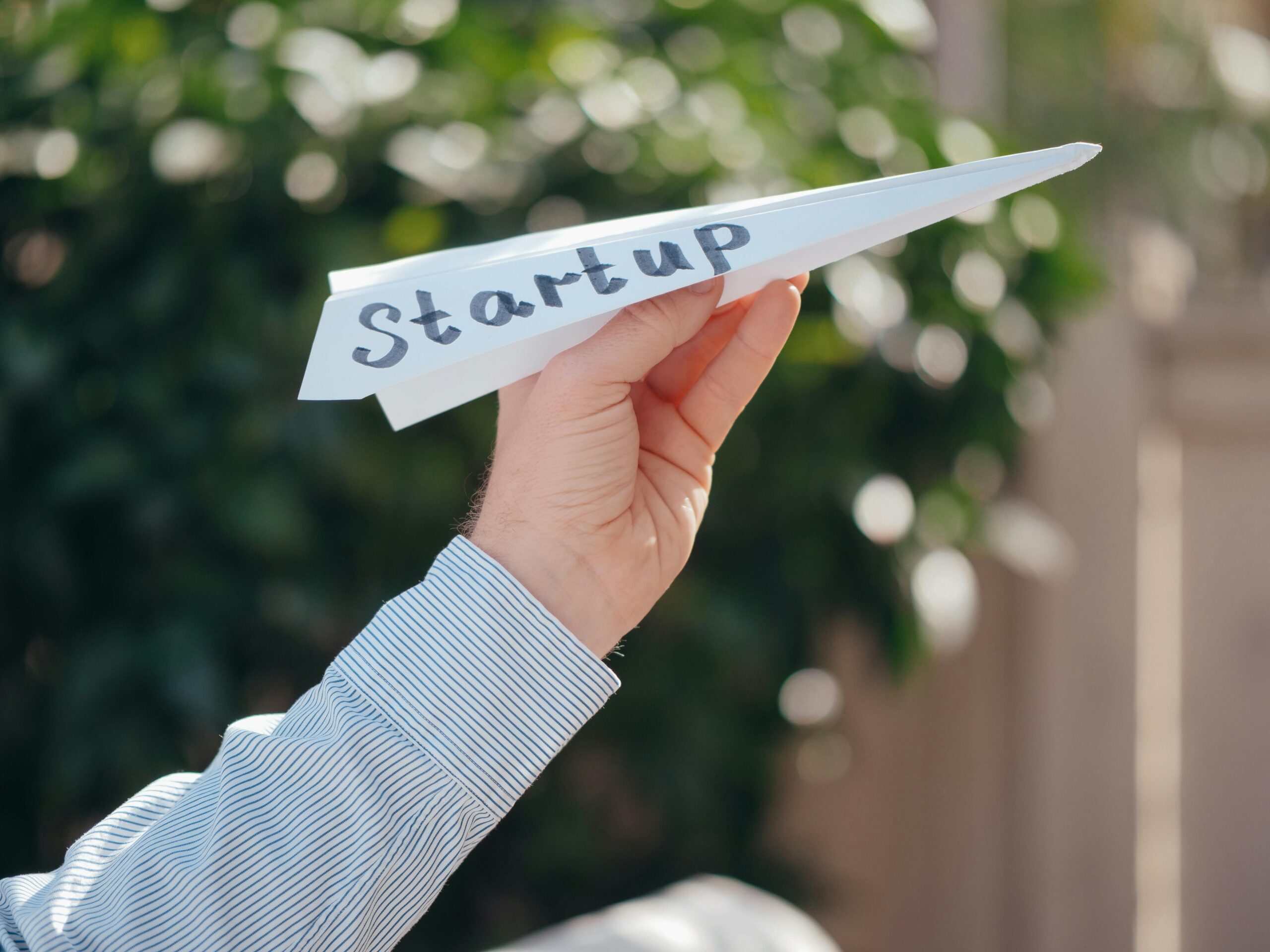
Sustainable long-term productivity isn’t about implementing every strategy simultaneously. It’s about thoughtfully selecting approaches that fit your circumstances, values, and objectives, then integrating them into a coherent system that evolves with you over time. This personal productivity architecture should feel natural rather than forced, supporting your goals without dominating your life.
Begin with honest assessment. Where are you now? What’s working? What isn’t? What matters most to you? These questions establish a baseline for improvement without judgment. From this foundation, select one or two strategies to implement, master them, then gradually expand your system as capacity allows.
Remember that productivity serves life, not the other way around. The ultimate measure isn’t tasks completed or goals achieved, but whether you’re building a life aligned with your values and aspirations. When productivity systems support this broader purpose, they become sustainable because they’re intrinsically rewarding rather than externally imposed obligations.
The journey toward sustainable productivity and long-term growth is exactly that—a journey, not a destination. There’s no finish line where you finally achieve perfect productivity. Instead, there’s continuous evolution, regular refinement, and ongoing adaptation. Embrace this process, celebrate progress, learn from setbacks, and maintain perspective. The future belongs to those who can sustain performance across time, adapting to change while preserving core capabilities and values.
Your productivity architecture is unique to you. Draw inspiration from various approaches, but don’t feel obligated to adopt every method. Select what resonates, discard what doesn’t, and continuously refine your system based on results. This personalization creates sustainability—you’re more likely to maintain approaches that fit naturally than those requiring constant force of will. Start building your sustainable productivity foundation today, knowing that small consistent steps compound into remarkable long-term results.