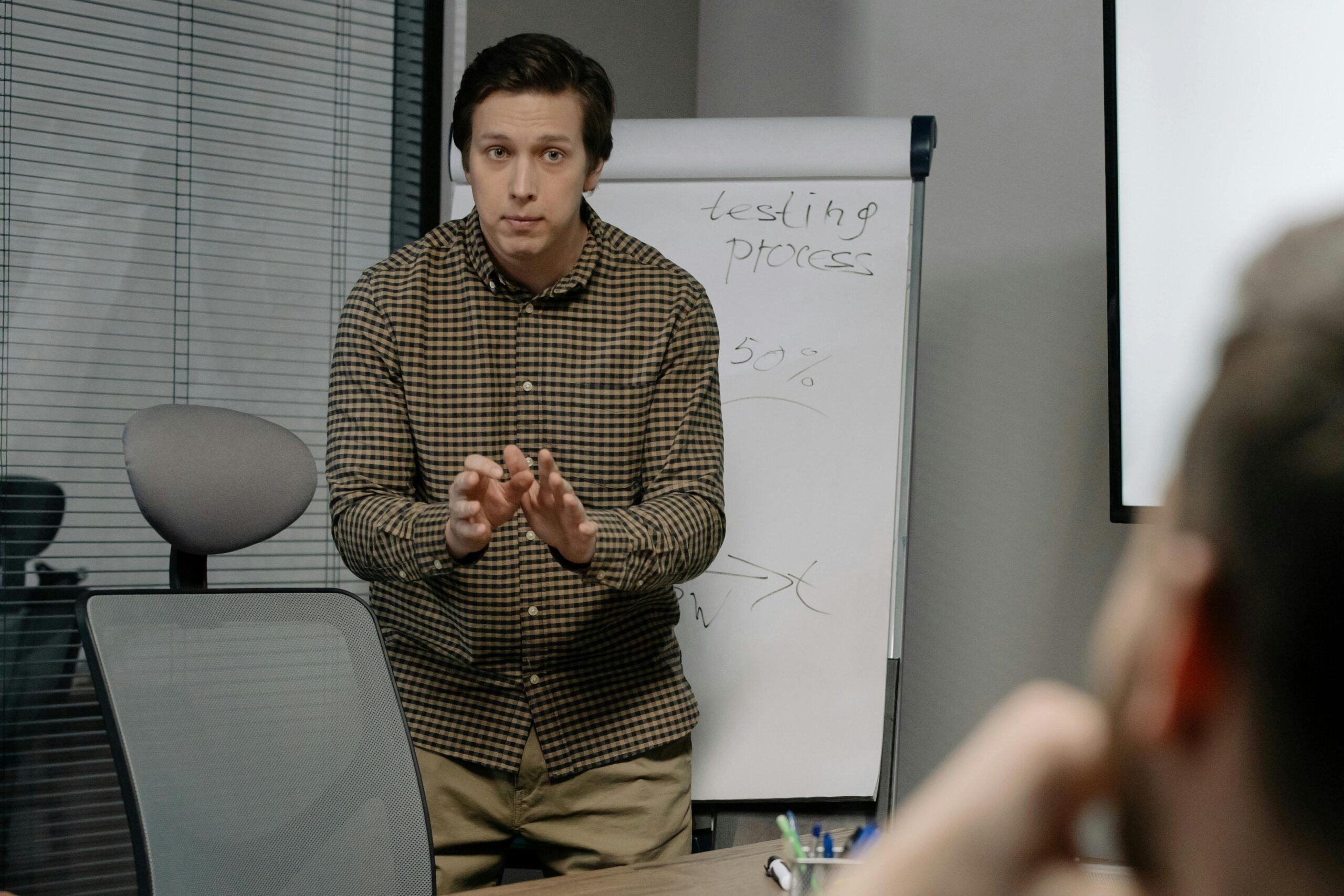
The modern workplace is evolving, and so is its workforce. As populations age globally, organizations must adapt their strategies to support experienced employees while maintaining high productivity levels.

🌟 Understanding the Value of Aging Workers in Today’s Economy
Aging workers bring decades of experience, institutional knowledge, and refined professional skills that younger employees are still developing. Research consistently shows that teams with age diversity perform better, make more balanced decisions, and demonstrate greater problem-solving capabilities. Yet many organizations struggle to create environments where mature employees can thrive while maintaining their productivity levels.
The stereotypes surrounding aging workers often overshadow their substantial contributions. Contrary to outdated beliefs, mature employees frequently demonstrate higher loyalty rates, lower turnover, stronger work ethics, and exceptional mentoring abilities. Understanding these strengths is the first step toward implementing effective support strategies.
💼 Recognizing Age-Related Workplace Challenges
Before developing solutions, organizations must acknowledge the legitimate challenges that some aging workers face. These aren’t universal experiences, but understanding potential obstacles enables proactive support systems.
Physical Considerations in the Modern Office
Vision changes are among the most common age-related adjustments. Many workers over 50 experience presbyopia, making small text difficult to read without corrective lenses. Lighting conditions that seem adequate for younger employees may prove insufficient for mature workers. Similarly, prolonged sitting or standing can become more challenging as joint health evolves.
Hearing acuity naturally declines with age, which can create communication barriers in noisy open-office environments or during video conferences with poor audio quality. These physical factors don’t diminish cognitive abilities or work quality—they simply require thoughtful accommodations.
Technology Adoption and Digital Literacy
While many mature workers are highly tech-savvy, others may have developed their careers using different tools and systems. Rapid technological changes can create anxiety, particularly when training is insufficient or assumes prior knowledge. The key isn’t lowering expectations but providing appropriate learning pathways.
🚀 Creating an Age-Friendly Physical Environment
Simple environmental modifications can dramatically improve comfort and productivity for workers of all ages, with particular benefits for mature employees.
Optimizing Lighting and Visual Comfort
Adequate lighting is fundamental to productivity. Workspaces should feature adjustable task lighting that employees can customize to their needs. Overhead lighting should minimize glare on computer screens while providing sufficient illumination for paperwork and face-to-face interactions.
Monitor settings matter tremendously. Encourage workers to adjust screen brightness, contrast, and text size to comfortable levels. Modern operating systems offer accessibility features that enhance readability without compromising functionality. Blue light filtering options can reduce eye strain during extended computer use.
Ergonomic Workstation Design
Ergonomic furniture isn’t a luxury—it’s an investment in long-term productivity. Adjustable chairs with proper lumbar support, sit-stand desks, and monitor arms that position screens at optimal heights benefit employees across all age groups while being particularly valuable for those with joint concerns or circulation issues.
Keyboard and mouse positioning should enable neutral wrist postures. Ergonomic keyboards, vertical mice, and wrist rests can prevent repetitive strain injuries that become more problematic with age. Footrests help shorter employees maintain proper posture when chairs are adjusted to appropriate desk heights.
📱 Leveraging Technology as an Enabler, Not a Barrier
Technology should enhance productivity for aging workers, not create unnecessary obstacles. Strategic implementation makes all the difference.
Implementing User-Friendly Task Management Systems
Digital task management tools can help workers of all ages stay organized and focused. The key is selecting platforms with intuitive interfaces and providing adequate training. Tools that offer multiple views—lists, calendars, and kanban boards—accommodate different working styles and preferences.
For teams looking to improve task coordination and project visibility, applications like Microsoft To Do, Todoist, or Trello offer straightforward approaches to organizing work. These platforms enable aging workers to track responsibilities without overwhelming complexity.
Providing Comprehensive Technology Training
Effective technology training respects learners’ existing knowledge while filling genuine gaps. Training sessions should be hands-on, paced appropriately, and offer opportunities for questions without judgment. Recording sessions for later review accommodates different learning speeds and provides reference materials.
Peer mentoring programs where tech-comfortable employees support colleagues creates learning relationships that benefit both parties. Younger employees develop coaching skills while mature workers gain confidence with new tools. This approach avoids the patronizing dynamics that sometimes accompany formal training.
⏰ Flexible Scheduling and Work Arrangements
Productivity isn’t measured by hours at a desk but by outcomes achieved. Flexible arrangements often unlock higher performance from experienced workers.
Customizing Work Hours for Peak Performance
Energy levels and focus patterns vary among individuals and can shift with age. Some mature workers perform optimally during traditional business hours, while others prefer earlier starts or alternative schedules that accommodate medical appointments or family responsibilities.
Flexible scheduling demonstrates trust and acknowledges that different people work effectively at different times. When feasible, allowing employees to structure their days around personal peak performance periods boosts both productivity and job satisfaction.
Hybrid and Remote Work Options
Remote work eliminates commuting stress, provides greater control over environmental factors like temperature and noise, and enables workers to create personalized setups that maximize comfort. For aging workers managing chronic conditions or mobility limitations, remote options can be career-extending.
Hybrid arrangements offer the best of both worlds—collaborative office time combined with focused home working periods. This flexibility particularly benefits mature employees who value face-to-face relationships while appreciating the efficiency of remote work for concentration-intensive tasks.
🎯 Task Management Strategies That Work
Keeping tasks on track requires systems that provide clarity without micromanagement, supporting autonomy while ensuring accountability.
Clear Communication and Expectation Setting
Ambiguity is productivity’s enemy at any age. Clear project parameters, defined deliverables, realistic deadlines, and understood priorities enable workers to plan effectively and deliver quality results. Written documentation prevents misunderstandings and provides references that support memory.
Regular check-ins create opportunities for course corrections before problems escalate. These shouldn’t feel like surveillance but rather supportive touchpoints where questions get answered and obstacles are addressed collaboratively.
Breaking Complex Projects Into Manageable Components
Large projects can feel overwhelming regardless of experience level. Breaking initiatives into smaller, clearly defined tasks creates momentum through frequent completion experiences. This approach particularly benefits workers who may need more frequent validation that they’re progressing appropriately.
Project management methodologies like Agile, with their emphasis on iterative progress and regular reviews, naturally support this approach. Sprint planning and retrospectives provide structure without rigidity, accommodating the working preferences of diverse team members.
🤝 Building Supportive Team Dynamics
Organizational culture significantly impacts how effectively aging workers contribute. Creating inclusive, respectful environments maximizes everyone’s potential.
Combating Age Bias and Stereotypes
Unconscious age bias affects hiring, promotion, project assignment, and daily interactions. Training that raises awareness about ageism helps teams recognize and challenge their assumptions. Highlighting mature workers’ contributions normalizes their presence in all organizational roles, not just legacy positions.
Language matters. Phrases like “senior moment” or assumptions about technological incompetence create hostile microenvironments. Cultivating respectful communication standards benefits the entire workplace.
Facilitating Intergenerational Collaboration
Age-diverse teams outperform homogeneous ones when collaboration is genuinely valued. Reverse mentoring programs, where younger employees share technological expertise while mature workers offer strategic guidance, create mutual learning opportunities.
Cross-generational project teams should intentionally leverage different perspectives. Experienced workers bring historical context and pattern recognition, while younger colleagues offer fresh viewpoints and emerging skill sets. Effective facilitation helps teams harness these complementary strengths.
📊 Performance Management That Recognizes Experience
Traditional performance metrics may not capture the full value that experienced workers provide to organizations.
Expanding Beyond Conventional Metrics
While productivity measures like output quantity and deadline adherence remain important, mature workers often contribute value through mentoring, institutional knowledge preservation, client relationship management, and problem-solving based on pattern recognition. Performance systems should acknowledge these less tangible but crucial contributions.
Peer feedback mechanisms capture collaborative impact that supervisors may not directly observe. 360-degree reviews provide more complete pictures of how employees contribute across organizational levels.
Development Opportunities at Every Career Stage
Professional development shouldn’t cease as workers age. Continued learning keeps skills current, demonstrates organizational investment, and maintains engagement. Training opportunities, conference attendance, certification programs, and stretch assignments signal that mature employees have futures, not just pasts.
Career development conversations should explore what energizes experienced workers rather than assuming they’re coasting toward retirement. Many mature employees seek new challenges, skill acquisition, or legacy-building opportunities like developing next-generation talent.
💪 Health and Wellness Support Systems
Supporting employee health is both ethically appropriate and economically sensible, reducing absenteeism while increasing sustained productivity.
Comprehensive Health Benefits
Health insurance that covers preventive care, chronic condition management, and age-appropriate screenings helps workers maintain their health proactively rather than reactively. Vision and hearing coverage become increasingly important as these senses naturally change.
Mental health support matters across all ages but takes on particular significance for mature workers navigating transitions like approaching retirement, caregiving responsibilities, or identity shifts as careers evolve.
Workplace Wellness Programs
Wellness initiatives should accommodate varying fitness levels and health statuses. Walking programs, gentle stretching classes, stress management workshops, and nutrition education provide value without requiring peak physical condition. On-site health screenings, flu vaccinations, and ergonomic assessments demonstrate organizational commitment to employee wellbeing.
🔄 Knowledge Transfer and Succession Planning
One of aging workers’ most valuable contributions is sharing accumulated expertise before transitioning out of their roles.
Structured Knowledge Capture
Organizational knowledge often exists primarily in experienced employees’ minds. Documenting processes, creating training materials, recording video tutorials, and developing standard operating procedures preserve institutional wisdom. This work itself becomes a meaningful late-career contribution.
Mentorship programs pair experienced workers with successors, enabling organic knowledge transfer through working relationships rather than formal documentation alone. Job shadowing, collaborative projects, and phased transitions facilitate smoother handoffs.
Phased Retirement Options
Abrupt retirements deprive organizations of knowledge while sometimes leaving workers unready for sudden life transitions. Phased retirement—gradually reducing hours while maintaining involvement—benefits both parties. Mature workers transition more comfortably while organizations retain access to expertise during critical knowledge transfer periods.
✨ Cultivating an Age-Inclusive Culture
Individual accommodations matter, but organizational culture determines whether aging workers truly thrive or merely persist.
Leadership Commitment to Age Diversity
When leadership visibly values age diversity through hiring practices, promotion decisions, and public statements, the entire organization receives permission to challenge ageist assumptions. Executive sponsorship of age-inclusion initiatives signals their importance and allocates necessary resources.
Celebrating Longevity and Experience
Recognizing service milestones, highlighting mature workers’ achievements, and featuring experienced employees in internal communications normalizes their presence and contributions. These visible acknowledgments counter narratives that organizations only value youth and novelty.
🎓 The Business Case for Supporting Aging Workers
Supporting mature employees isn’t charitable—it’s strategic. Organizations that effectively leverage experienced workers gain competitive advantages.
Retention of experienced employees reduces recruitment and training costs while preserving institutional knowledge. Mature workers’ lower turnover rates provide stability and continuity that benefit client relationships and project completion. Their mentorship accelerates newer employees’ development, multiplying their organizational impact.
Age-diverse teams make better decisions, innovate more effectively, and understand broader customer bases. As populations age globally, organizations that successfully integrate mature workers better understand and serve aging customer segments.

🌈 Moving Forward: Practical Implementation Steps
Transforming workplace culture and practices requires intentional action, not just good intentions.
Begin with assessment. Survey aging workers about their needs, challenges, and suggestions. Their insights will be more accurate than assumptions. Review policies for unintentional age bias in areas like technology requirements, scheduling rigidity, or promotion criteria.
Pilot initiatives before full-scale implementation. Test ergonomic improvements, flexible scheduling options, or new task management approaches with willing participants. Gather feedback, refine approaches, and then expand successful programs.
Measure outcomes. Track productivity metrics, retention rates, employee satisfaction scores, and knowledge transfer effectiveness. Data demonstrates return on investment and guides continuous improvement.
Create feedback loops where aging workers can voice concerns and suggestions without fear. Anonymous surveys, focus groups, and open-door policies enable honest communication that surfaces problems before they escalate.
The most successful organizations recognize that supporting aging workers benefits everyone. Ergonomic workspaces, clear communication, flexible arrangements, comprehensive training, and respectful cultures enhance productivity across all demographics. Age-inclusive practices aren’t special accommodations—they’re simply good management that acknowledges human diversity and enables everyone to contribute their best work.
As workforces age and careers extend, organizations that proactively support mature employees will attract and retain top talent while outperforming competitors still clinging to outdated assumptions about aging and productivity. The question isn’t whether to adapt but how quickly and effectively your organization will embrace the opportunities that experienced workers represent.