
Incident trend analysis transforms raw safety data into actionable intelligence, enabling organizations to predict, prevent, and mitigate workplace risks before they escalate into serious consequences.

🔍 Understanding the Foundation of Incident Trend Analysis
Every workplace incident tells a story—a narrative of circumstances, decisions, and factors that converged at a specific moment. However, individual incidents rarely reveal the complete picture. The real value emerges when organizations systematically analyze patterns across multiple incidents over time, uncovering hidden connections and recurring themes that would otherwise remain invisible.
Incident trend analysis represents the systematic collection, examination, and interpretation of incident data to identify patterns, predict future occurrences, and implement targeted prevention strategies. This proactive approach shifts safety management from reactive firefighting to strategic risk mitigation, fundamentally transforming how organizations protect their workforce and assets.
Modern safety professionals recognize that past incidents serve as invaluable roadmaps for future prevention. By examining when incidents occur, where they happen, who becomes involved, and what conditions contribute to their occurrence, organizations develop comprehensive understanding of their unique risk landscapes. This knowledge becomes the foundation for evidence-based decision-making that drives measurable safety improvements.
🎯 The Strategic Value Behind Pattern Recognition
Recognizing patterns within incident data unlocks extraordinary value for organizations committed to safety excellence. These patterns reveal systemic weaknesses, operational vulnerabilities, and cultural factors that traditional incident investigation methods might overlook. Understanding these recurring themes enables targeted interventions that address root causes rather than symptoms.
Pattern recognition extends beyond simple frequency counts. Sophisticated trend analysis examines temporal patterns (time of day, day of week, seasonal variations), spatial patterns (specific locations or departments), demographic patterns (experience levels, age groups, roles), and causal patterns (equipment failures, procedural gaps, environmental factors). Each dimension provides unique insights that inform comprehensive prevention strategies.
Organizations that excel at pattern recognition develop predictive capabilities that transform safety management. They anticipate high-risk periods, allocate resources strategically, and implement preventive measures before incidents occur. This proactive stance not only reduces injury rates and property damage but also demonstrates organizational commitment to workforce wellbeing, enhancing employee morale and engagement.
📊 Essential Data Points for Comprehensive Analysis
Effective incident trend analysis requires capturing comprehensive data across multiple dimensions. The quality and completeness of collected data directly determines the value of subsequent analysis and insights generated.
Critical Data Elements to Track
Temporal information forms the foundation of trend analysis. Recording precise incident dates and times enables identification of high-risk periods, shift-related patterns, and seasonal variations. This temporal dimension often reveals surprising correlations with operational schedules, staffing levels, or environmental conditions.
Location data provides spatial context essential for identifying hotspots and environmental risk factors. Detailed location tracking should extend beyond general areas to specific workstations, equipment, or facility zones where incidents concentrate. Geographic clustering often indicates localized hazards requiring targeted interventions.
Incident classification categorizes events by type, severity, and potential consequences. Standardized taxonomies ensure consistent classification across reporters and time periods, enabling meaningful comparisons and trend identification. Categories might include near misses, first aid cases, recordable injuries, property damage, and process safety events.
Human factors data captures information about individuals involved, including experience levels, training completion, job roles, and shift assignments. This dimension helps identify vulnerable populations requiring additional support or training reinforcement.
Contextual Information That Illuminates Root Causes
Environmental conditions at incident time—lighting levels, weather, temperature, noise—provide context for understanding contributory factors. Equipment involved, maintenance status, and operational state reveal mechanical or technological risk factors requiring attention.
Procedural adherence information documents whether established protocols were followed, modified, or bypassed. Deviations from standard procedures often signal training gaps, procedural inadequacies, or cultural issues requiring leadership attention.
Witness statements and investigator observations add qualitative richness to quantitative data, capturing nuances that structured fields cannot convey. These narratives often reveal systemic issues and cultural factors driving incident patterns.
🛠️ Methodologies for Extracting Meaningful Insights
Raw incident data holds limited value until transformed through analytical methods that reveal patterns, trends, and predictive indicators. Multiple analytical approaches serve different purposes within comprehensive trend analysis programs.
Frequency Analysis and Distribution Patterns
Frequency analysis examines how often specific incident types occur over defined periods. Simple frequency counts identify which incident categories demand priority attention based on volume alone. Distribution analysis reveals how incidents spread across locations, departments, shifts, or demographic groups, highlighting concentrations requiring investigation.
Time series analysis tracks incident frequencies over extended periods, revealing trends (increasing, decreasing, or stable), seasonal patterns, and cyclical variations. Statistical process control charts apply manufacturing quality concepts to safety data, distinguishing normal variation from statistically significant changes requiring response.
Severity and Consequence Trending
While frequency matters, severity analysis ensures organizations prioritize high-consequence risks appropriately. Severity trending examines whether incidents are becoming more or less serious over time, even if total incident counts remain stable. This analysis prevents organizations from celebrating declining incident rates while actual risk exposure increases.
Leading indicator analysis focuses on near misses, hazard reports, and precursor events that predict future serious incidents. Organizations tracking leading indicators develop early warning systems that enable intervention before serious harm occurs. The ratio of near misses to serious incidents provides insight into reporting culture and proactive hazard identification effectiveness.
Correlation and Root Cause Analysis
Correlation analysis identifies relationships between variables that might not be immediately apparent. Statistical correlation techniques reveal whether certain conditions, behaviors, or circumstances consistently appear together, suggesting causal relationships requiring investigation.
Multi-dimensional analysis examines how multiple factors interact to create risk. For example, analyzing the intersection of time of day, experience level, and specific task types might reveal that inexperienced workers performing complex tasks during night shifts face disproportionate risk—an insight invisible when examining any single dimension alone.
📈 Visualization Techniques That Drive Understanding
Even the most sophisticated analysis delivers limited value if insights remain trapped in spreadsheets or statistical reports. Effective visualization translates complex data into intuitive graphics that communicate trends clearly to diverse audiences, from frontline workers to executive leadership.
Trend lines and time series graphs display incident frequencies over time, making increasing or decreasing trends immediately apparent. Color-coding by severity or incident type adds additional dimensions to temporal displays, revealing whether specific categories drive overall trends.
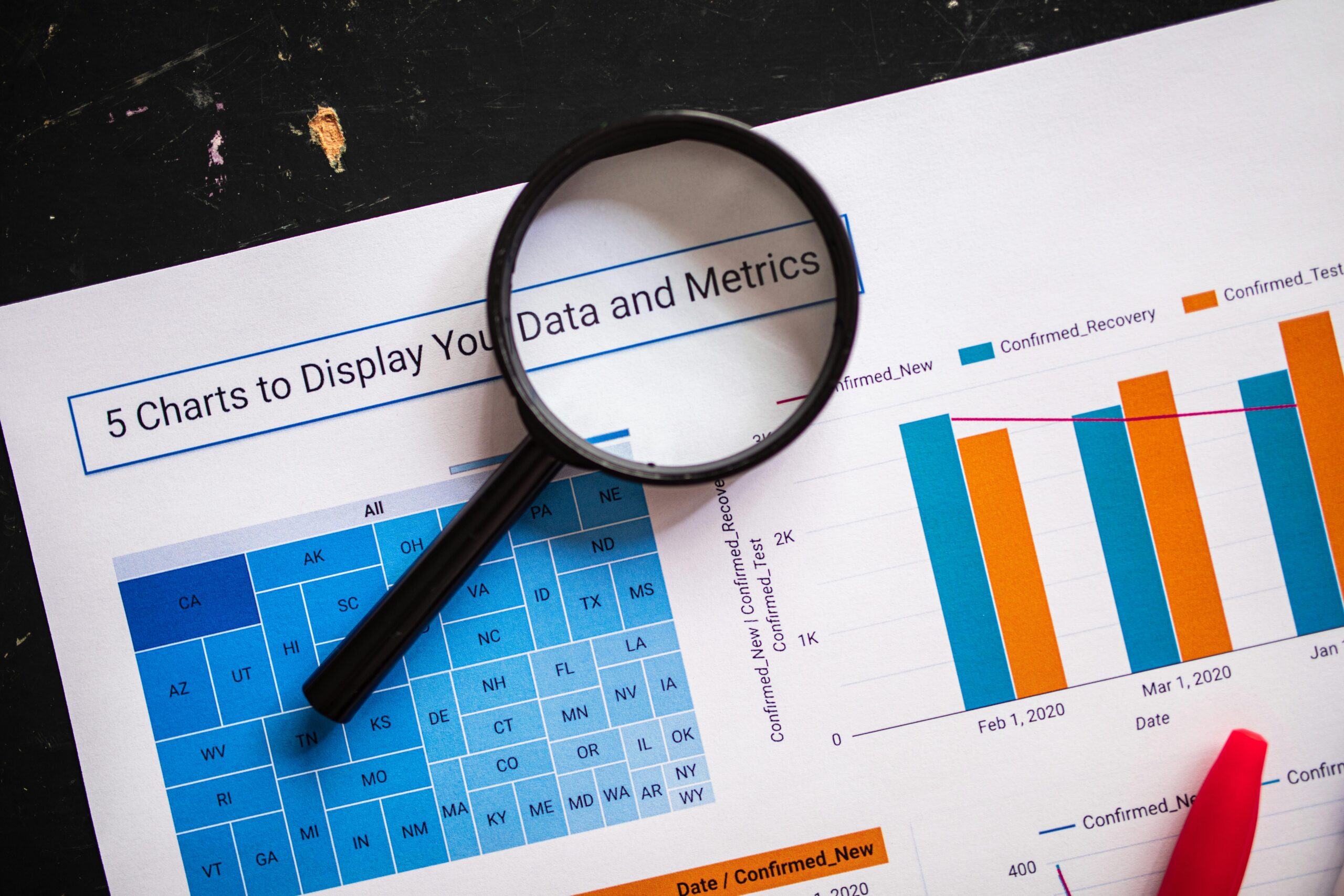
Heat maps overlay incident data on facility layouts, creating visual representations of spatial risk distribution. High-incident areas appear in warmer colors, immediately directing attention to locations requiring investigation or intervention. Temporal heat maps showing incident distribution by hour and day of week reveal time-based patterns at a glance.
Pareto charts apply the 80/20 principle to incident data, identifying the vital few incident types or locations accounting for the majority of safety issues. This prioritization tool ensures organizations focus resources on factors delivering maximum impact.
Dashboard displays compile multiple visualizations into integrated views providing comprehensive safety performance snapshots. Effective dashboards balance detail with simplicity, presenting key metrics prominently while enabling drill-down into underlying data for those requiring deeper analysis.
⚡ Turning Insights Into Preventive Action
Analysis without action represents wasted effort and missed opportunities. The ultimate value of incident trend analysis emerges when organizations systematically translate insights into targeted interventions that prevent future incidents.
Developing Targeted Intervention Strategies
Effective interventions address specific patterns revealed through analysis rather than implementing generic safety programs. When analysis reveals that new employees experience disproportionate incident rates during their first 90 days, targeted onboarding enhancements and mentorship programs directly address the identified risk factor.
Interventions should follow the hierarchy of controls, prioritizing elimination and engineering controls over administrative controls and personal protective equipment. If analysis reveals repeated incidents involving specific equipment, engineering modifications or equipment replacement may prove more effective than additional training or procedural reminders.
Pilot programs test interventions on limited scales before organization-wide deployment, enabling refinement based on real-world results. Controlled implementation allows measurement of intervention effectiveness through comparison with baseline incident rates and control groups.
Closing the Feedback Loop
Continuous monitoring following intervention implementation determines whether changes achieve desired effects. Post-intervention trend analysis compares incident patterns before and after implementation, providing objective evidence of effectiveness. This measurement discipline prevents ineffective interventions from consuming resources while unsuccessful in reducing risk.
Successful trend analysis programs establish regular review cycles where safety teams examine updated data, assess intervention effectiveness, and adjust strategies based on evolving patterns. This iterative approach treats safety management as continuous improvement process rather than static program.
🚀 Advanced Techniques for Predictive Intelligence
Leading organizations extend beyond descriptive analysis of past incidents to predictive analytics that forecast future risks. These advanced techniques leverage statistical modeling and machine learning to identify emerging risks before incidents occur.
Predictive modeling applies regression analysis, time series forecasting, and machine learning algorithms to incident data, identifying combinations of factors that predict elevated risk. These models process multiple variables simultaneously, detecting complex interactions human analysts might miss.
Seasonal adjustment techniques separate true trend changes from expected seasonal variations, preventing misinterpretation of normal cyclical patterns as significant trends. Organizations operating in temperature-sensitive industries particularly benefit from seasonal adjustment, distinguishing weather-related incident variations from underlying safety performance changes.
Anomaly detection algorithms automatically flag unusual patterns requiring investigation—sudden incident spikes, unexpected incident types, or unusual distributions across previously stable categories. Automated alerting ensures these anomalies receive timely attention rather than remaining hidden until routine review cycles.
💡 Building a Culture That Supports Trend Analysis
Technical analytical capabilities alone cannot drive safety excellence without supporting organizational culture. Successful incident trend analysis requires reporting culture, analytical discipline, and action orientation embedded throughout the organization.
Fostering Comprehensive Incident Reporting
Trend analysis quality depends fundamentally on reporting completeness and accuracy. Organizations must cultivate cultures where workers feel comfortable reporting all incidents, near misses, and hazards without fear of blame or negative consequences. Non-punitive reporting policies, visible leadership commitment, and consistent follow-through on reported concerns build reporting trust.
Simplifying reporting processes through mobile applications, quick-report kiosks, or voice-activated systems removes barriers that discourage reporting. The easier organizations make reporting, the more comprehensive their data becomes, improving subsequent analysis quality.
Developing Analytical Competence
Safety professionals require analytical skills extending beyond traditional safety training. Investing in statistical literacy, data visualization capabilities, and analytical software proficiency enables safety teams to extract maximum value from available data. Organizations may partner with data analysts or industrial engineers to supplement safety expertise with advanced analytical capabilities.
Democratizing data access through user-friendly dashboards and self-service reporting tools empowers frontline supervisors and managers to engage with incident data directly. When those closest to operations can examine relevant trends independently, they develop ownership of safety performance and implement localized improvements.
🎓 Learning From Industry-Leading Practices
Organizations achieving safety excellence through incident trend analysis share common characteristics that others can emulate. These leading practices span data management, analytical rigor, and organizational integration.
Top performers standardize incident classification using consistent taxonomies applied uniformly across all locations and business units. Standardization enables meaningful comparisons between facilities, identification of best practices, and corporate-level trend analysis revealing systemic issues.
They establish regular review cadences at multiple organizational levels—weekly operational reviews, monthly management reviews, and quarterly executive reviews—each examining trends at appropriate detail levels. This structured rhythm ensures incident data informs decision-making continuously rather than episodically.
Leading organizations share trend analysis insights transparently with the workforce, posting trend visualizations in break rooms, discussing patterns in safety meetings, and explaining how analysis drives improvement initiatives. Transparency demonstrates that reported incidents lead to meaningful action, reinforcing reporting culture.
They benchmark performance against industry standards, peer organizations, and internal historical performance, providing context for interpreting trends. External benchmarking reveals whether incident rates represent best-in-class performance or indicate improvement opportunities.
🔐 Overcoming Common Implementation Challenges
Organizations implementing incident trend analysis programs encounter predictable challenges. Anticipating these obstacles and developing mitigation strategies increases implementation success probability.
Data quality issues—incomplete reports, inconsistent classifications, missing fields—undermine analysis reliability. Establishing data quality standards, implementing validation rules in reporting systems, and providing reporter training improve data integrity. Regular data quality audits identify systematic issues requiring correction.
Analysis paralysis occurs when organizations collect extensive data but fail to extract actionable insights or implement changes based on findings. Setting clear analytical objectives, defining decision triggers, and establishing accountability for action prevent analysis from becoming purely academic exercise.
Resource constraints limit analytical sophistication in smaller organizations or those early in trend analysis maturity. Starting with simple frequency analysis and basic visualizations delivers value while building analytical capabilities progressively. Free or low-cost analytical tools and templates enable resource-constrained organizations to begin trend analysis without major technology investments.
Resistance to data-driven decision-making sometimes emerges from leaders accustomed to experience-based intuition. Demonstrating quick wins through pilot analyses that reveal actionable insights builds credibility and acceptance for analytical approaches. Complementing rather than replacing experience with data-driven insights eases cultural transitions.
🌟 Measuring Your Trend Analysis Program Success
Effective trend analysis programs require their own performance metrics ensuring analytical efforts deliver value. These meta-metrics assess program health and continuous improvement.
Report completeness rates measure what percentage of incidents receive thorough documentation with all required fields completed. Declining completeness may indicate reporting fatigue, inadequate training, or overly complex reporting processes requiring simplification.
Analysis-to-action conversion rates track what percentage of identified trends result in implemented interventions. Low conversion rates suggest analytical insights aren’t reaching decision-makers or organizational barriers prevent action on findings.
Intervention effectiveness measures assess whether implemented changes achieve intended incident reductions. Tracking pre- and post-intervention incident rates for targeted categories provides objective effectiveness evidence.
Leading indicator trends—near miss reporting rates, hazard identification frequencies, proactive safety observations—indicate whether safety culture supports continuous risk identification and improvement. Increasing leading indicator reporting typically precedes lagging indicator improvements.
🔄 Integrating Trend Analysis Into Safety Management Systems
Incident trend analysis achieves maximum impact when fully integrated into comprehensive safety management systems rather than operating as standalone activity. Integration ensures analytical insights inform strategic planning, resource allocation, training development, and performance evaluation.
Strategic safety planning incorporates trend analysis findings into annual goal setting, multi-year improvement roadmaps, and capital investment prioritization. When leadership reviews trend data during strategic planning sessions, resource allocation aligns with evidence-based priorities rather than anecdotal concerns.
Training programs evolve based on incident patterns revealing knowledge or skill gaps. If analysis shows specific procedures are frequently violated or misunderstood, targeted training interventions address identified deficiencies. Trend analysis transforms training from calendar-driven compliance activity to performance-driven capability development.
Performance management systems incorporate trend-based metrics alongside traditional lagging indicators. Supervisors and managers receive recognition for improving trends within their areas of responsibility, creating accountability for data-driven safety leadership.
Continuous improvement processes leverage trend analysis to identify improvement opportunities, prioritize projects, and measure implementation success. Organizations applying Lean or Six Sigma methodologies to safety find incident trend analysis provides the data foundation these approaches require.
✨ The Future of Incident Trend Analysis
Emerging technologies and analytical techniques continue expanding what’s possible in incident trend analysis. Forward-thinking organizations explore these innovations to maintain competitive safety advantages.
Artificial intelligence and machine learning algorithms process incident narratives using natural language processing, automatically extracting themes and categories from free-text descriptions. These techniques uncover patterns in qualitative data previously requiring labor-intensive manual review.
Real-time analytics replace periodic reporting cycles with continuous monitoring and instant alerting when concerning patterns emerge. Streaming data from connected equipment, wearable sensors, and environmental monitors enables predictive risk assessment based on current conditions rather than historical patterns alone.
Integrated risk platforms combine incident data with other risk information sources—audits, inspections, training records, maintenance logs—creating comprehensive risk intelligence that reveals connections between disparate data sources. This holistic perspective identifies systemic risk factors invisible when examining incident data in isolation.
Augmented reality visualization presents incident data spatially within actual work environments, helping teams visualize where incidents occur and understand environmental context. Walking through facilities while viewing overlaid incident heat maps provides intuitive understanding that static reports cannot convey.
The organizations mastering incident trend analysis today position themselves as safety leaders of tomorrow. By transforming incident data from compliance records into strategic intelligence, they protect their workforce more effectively, operate more efficiently, and build cultures where safety excellence becomes sustainable competitive advantage. The journey from reactive incident response to proactive risk prediction requires commitment, capability development, and cultural evolution—but the destination of predictable, preventable safety performance makes the investment worthwhile for any organization serious about protecting its most valuable asset: its people.